What Is Mecha in Anime?
Mecha in anime refers to stories featuring giant robots, often piloted by humans, that blend science fiction with action and drama. These machines are iconic in Japanese pop culture.
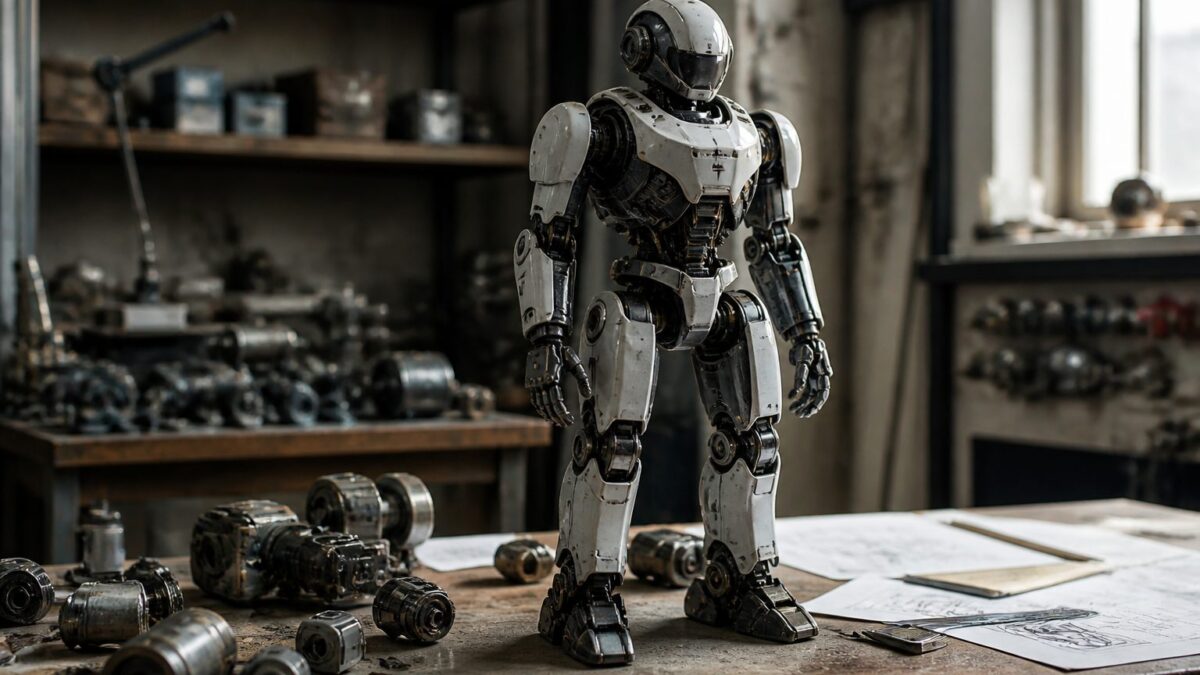
Quick answer: Mecha in anime refers to a genre or theme featuring giant robots, usually piloted by humans, that play a central role in the story. These mechanical suits or robots often symbolize technology, war, or human ambition, and have become one of the most recognizable elements in Japanese animation and pop culture.
From hulking metallic warriors to sleek, futuristic suits, mecha have captivated anime fans around the world for decades. The genre blends the spectacle of science fiction with emotional storytelling, creating unforgettable characters and machines alike.
Whether you’ve seen classic titles like Mobile Suit Gundam or modern hits such as Neon Genesis Evangelion, you’ve likely encountered mecha—one of anime’s most enduring icons.
Key takeaways
- Mecha in anime are giant robots or mechanical suits, often piloted by humans.
- The genre originated in Japan and has influenced global science fiction.
- Stories range from action-packed wars to philosophical explorations of humanity and technology.
- Mecha designs vary from realistic military machines to fantastical, almost magical robots.
- Classic examples include Gundam, Evangelion, and Mazinger Z.
What does “mecha” mean in anime?
In anime, “mecha” refers to large robotic machines, typically humanoid in shape, that are central to the story’s action and themes. The word “mecha” is derived from the English “mechanical” or “mechanism,” and in Japan, it’s used broadly for any kind of machinery. However, in the context of anime and manga, “mecha” specifically means robots—often piloted—used for combat or exploration.
These robots can be as small as powered suits or as large as city-sized titans. The pilots, usually humans, control these machines from cockpits inside the robot. Mecha stories use these machines as both literal and metaphorical vehicles for examining war, technology, identity, and human ambition.
- Mecha can be military weapons, rescue vehicles, or even everyday tools.
- They often serve as allegories for real-world issues, such as arms races or the ethics of artificial intelligence.
- The genre includes both “super robot” and “real robot” subtypes (more on this below).
Where did the mecha genre come from?
The mecha genre originated in Japanese manga and anime in the 1950s and 1960s, inspired by both local and Western science fiction. Early influences include American pulp sci-fi and Japanese fascination with robots and automation following World War II.
The first significant mecha anime was Tetsujin 28-go (known in English as Gigantor), which debuted in 1963. Its story follows a boy controlling a giant robot built as a secret weapon. This set the template for many later series: a young protagonist, a powerful robot, and adventures blending action with social commentary.
The genre exploded with Go Nagai’s Mazinger Z in 1972, which introduced the concept of piloting the robot from within. This innovation led to a wave of “super robot” shows, followed by the more realistic “real robot” series like Mobile Suit Gundam in 1979, which grounded its mechs in military and political drama.
- Early mecha were often invincible and fantastical (“super robots”).
- The late 1970s saw a shift toward realism and gritty war stories (“real robots”).
- Mecha quickly became a staple of Japanese pop culture and influenced global media.
What are the main types of mecha in anime?
Mecha in anime generally fall into two main types: “super robots” and “real robots.” These categories reflect both storytelling style and mechanical design.
- Super Robots: These are larger-than-life machines with near-magical powers. Shows like Mazinger Z and Voltes V feature mecha that can perform incredible feats, often saving the world from monsters or aliens. Their technology is rarely explained, and their pilots are often heroes with special destinies.
- Real Robots: These mecha are treated as plausible machines, with limited resources, maintenance needs, and realistic weaponry. Mobile Suit Gundam is the archetype, depicting war as complex and tragic. Pilots are soldiers, not chosen ones, and machines can be destroyed.
There are also hybrid and subgenres, such as “biomechanical” mecha seen in Neon Genesis Evangelion, where the robots are partly organic, or comedic takes like Patlabor, where mecha are used for law enforcement and construction.
How is mecha different from other sci-fi anime?
Mecha anime is distinct from other sci-fi anime because the robots themselves are central to the story’s action, themes, and visual identity. While many science fiction anime feature advanced technology, only mecha puts giant robots at the narrative’s core.
- Mecha anime often explores the relationship between human and machine, both physically (piloting) and psychologically (identity, responsibility).
- Other sci-fi anime may focus on space travel, cybernetics, or dystopian futures without featuring mecha at all.
- Mecha stories typically include detailed mechanical designs, action sequences centered on robot combat, and themes of war, ethics, and technology’s impact on society.
In contrast, genres like cyberpunk (Ghost in the Shell), space opera (Cowboy Bebop), or post-apocalyptic fiction (Akira) use technology as a backdrop rather than the main attraction.
What are some classic examples of mecha anime?
Several anime series and films have defined and popularized the mecha genre worldwide. Here are some of the most influential and enduring:
- Mobile Suit Gundam (1979–): The original “real robot” series, featuring war between Earth and space colonies, complex politics, and iconic mobile suits like the RX-78-2 Gundam.
- Neon Genesis Evangelion (1995): A psychological and philosophical twist on the genre, where teenagers pilot biomechanical “Evas” to combat mysterious beings called Angels.
- Mazinger Z (1972): One of the first shows to feature a piloted super robot, setting the standard for decades of successors.
- Macross (1982–): Known for its transforming mecha (Valkyries) and blending of romance, music, and space battles.
- Code Geass (2006): Follows a rebel leader using tactical genius and advanced mecha (“Knightmare Frames”) in a fight against an empire.
Other notable titles include Patlabor, Full Metal Panic!, Gurren Lagann, RahXephon, and GaoGaiGar. The influence of mecha extends to Western animation and live-action films, including Pacific Rim and the Transformers franchise.
How are mecha designed in anime?
Mecha design is a specialized art in anime, balancing realism, creativity, and narrative function. Designers draw inspiration from military technology, cars, animals, and even mythology. Each robot’s look reflects its role in the story and the personality of its pilot.
- “Real robot” designs emphasize plausible mechanics: visible joints, armor plating, and functional weapons.
- “Super robot” designs are often colorful, exaggerated, and stylized, with fantastical weapons and powers.
- Iconic designers like Kunio Okawara (Gundam), Shoji Kawamori (Macross), and Yutaka Izubuchi (Patlabor) have shaped the genre’s visual language.
Model kits and toys based on mecha designs are a major part of anime merchandising. Fans build and customize “Gunpla” (Gundam plastic models) and collect figures from series old and new. The attention to detail and engineering in these products reflects the care put into anime mecha designs themselves.
Why is mecha so popular in Japanese and global pop culture?
Mecha’s appeal lies in its mix of spectacle, emotion, and imagination. The genre offers thrilling robot battles but also explores deep themes like war, loss, identity, and the relationship between humans and technology.
- Younger viewers are drawn to the action and cool designs; older fans appreciate the complex stories and symbolism.
- Mecha anime often reflects real-world anxieties about conflict, progress, and what it means to be human.
- The genre’s influence stretches far beyond Japan, inspiring Western cartoons, Hollywood films, comics, and video games.
Events like Japan’s life-size Gundam statues and international conventions demonstrate the genre’s enduring fandom. Mecha’s flexibility as a storytelling tool ensures it remains relevant, whether as escapist fun or thoughtful allegory.
How to get into mecha anime: a beginner’s guide
If you’re new to mecha anime, start with a few accessible and acclaimed series. Choose based on your interests—action, drama, or even comedy. Here are some easy entry points:
- Mobile Suit Gundam: The Origin – A modern retelling of the original saga, great for new viewers.
- Neon Genesis Evangelion – For those interested in psychological depth and complex characters.
- Gurren Lagann – A wild, energetic “super robot” show with humor and heart.
- Patlabor – A lighter, slice-of-life take on mecha in everyday settings.
- Code Geass – Combines mecha action with political intrigue and strategy.
Most of these series are available through major streaming platforms. Watching a few episodes will help you decide which subgenre you prefer. Explore related manga, model kits, and fan communities to deepen your appreciation.
How does mecha appear in other media and cultures?
Mecha is not limited to anime. The concept of piloted robots or powered suits appears in manga, video games, films, literature, and even live-action television. The genre’s influence is visible worldwide.
- Japanese video games like Armored Core, Super Robot Wars, and Zone of the Enders are built around mecha combat.
- Hollywood has adapted mecha tropes in films like Pacific Rim and the Matrix sequels.
- Comics and TV from the US (Voltron, Power Rangers) and South Korea (Tobot) show the genre’s reach.
- Mecha themes appear in Indian, Chinese, and European pop culture, often blending local storytelling with robot battles.
While Japanese anime remains the epicenter, the idea of humans controlling giant machines is now a global pop culture staple.
| Subgenre | Main Features | Classic Example | Typical Themes |
|---|---|---|---|
| Super Robot | Fantastical powers, heroic pilots | Mazinger Z | Good vs. evil, destiny, spectacle |
| Real Robot | Plausible mechanics, military realism | Mobile Suit Gundam | War, politics, human cost |
| Biomechanical | Organic elements, psychological focus | Neon Genesis Evangelion | Identity, trauma, existentialism |
| Comedy/Slice-of-Life | Everyday settings, lighthearted tone | Patlabor | Workplace, friendship, society |
Frequently asked questions
What is the difference between mecha and robots in anime?
In anime, “mecha” usually refers to large, piloted robots with a focus on human control and interaction, whereas “robots” can include autonomous machines and androids. Mecha are typically central to action and war stories, while robots may appear in various genres.
Do all mecha need human pilots?
Most mecha in anime are piloted by humans, but some are autonomous or even sentient. However, the interaction between human and machine is a core theme, so piloted mecha remain the most common and iconic.
Are there mecha anime outside Japan?
While the mecha genre originated in Japan, its influence has spread globally. Western cartoons like Voltron, live-action series like Power Rangers, and movies such as Pacific Rim all draw heavily from anime mecha traditions.
What is Gunpla, and why is it popular?
Gunpla refers to plastic model kits based on the Gundam franchise. Fans build and customize these kits, which range from simple to highly detailed. Gunpla is popular for its creativity, collectibility, and connection to the mecha anime experience.
Can mecha anime be enjoyed by adults?
Absolutely. Many mecha series tackle mature themes like war, trauma, and politics. Titles such as Mobile Suit Gundam and Evangelion are known for their complex characters and philosophical depth, appealing to adult viewers as much as younger fans.
Is mecha anime only about fighting and war?
No, while many mecha anime focus on battles, the genre also includes comedies, slice-of-life stories, and dramas that use mecha as tools for rescue, construction, or personal growth. Series like Patlabor show the versatility of mecha beyond combat.
The bottom line
Mecha in anime is much more than giant robots—it’s a genre that explores humanity’s hopes and fears through thrilling action and thoughtful storytelling. Its influence remains strong in Japan and around the world.