How Does Anime Dubbing Work?
Anime dubbing is the process of replacing the original Japanese voice track with dialogue in another language, using voice actors and precise audio editing.
Quick answer: Anime dubbing is the process of replacing the original Japanese voice track in anime with a new audio track in another language, performed by voice actors. This involves translating the script, adapting dialogue to match character mouth movements, recording performances, and mixing the final audio to synchronize with the visuals.
Anime dubbing brings Japanese animated series and films to international audiences by providing dialogue in languages like English, Spanish, French, Hindi, and more. While some viewers prefer subtitles, dubbed versions make anime accessible to those who want to watch without reading text, or who simply enjoy hearing characters speak their native language.
The dubbing process is a blend of translation, performance, and technical precision. It’s a team effort involving translators, script adapters, directors, engineers, and talented voice actors. Here’s how anime dubbing works from start to finish—and why it’s more complex than just swapping out voices.
Key takeaways
- Anime dubbing involves translating and re-recording Japanese dialogue into other languages using voice actors.
- The process requires script adaptation to match lip movements and timing (lip-sync).
- Directors, translators, and audio engineers work closely with voice actors for a seamless result.
- Dubbing studios worldwide localize anime for audiences in North America, Europe, Latin America, India, and beyond.
- Dubbing quality varies widely, influenced by budget, talent, and cultural adaptation.
What is anime dubbing?
Anime dubbing is the process of replacing the original Japanese voice track in anime with a newly recorded audio track in a different language, such as English, Spanish, or French. The primary aim is to make the anime accessible and enjoyable for audiences who may not understand Japanese, while preserving the original story, characters, and emotional impact. Unlike subtitling, which simply adds translated text at the bottom of the screen and retains the Japanese audio, dubbing immerses viewers by presenting the dialogue in their own language as if the anime were produced that way from the start.
This process involves several steps and professionals. First, the Japanese script is translated and adapted so that the dialogue fits the mouth movements (lip flaps) of the animated characters. Voice actors then perform these lines, striving to match the original character’s tone, personality, and emotional delivery. Sound engineers record and mix the new audio, blending it with existing music and sound effects to create a seamless experience. The final product should feel natural, with dialogue that matches the animation and context.
Anime dubbing has a long history, dating back to the early days of anime’s international distribution, such as the English dubs of Astro Boy or Sailor Moon. Today, major streaming platforms and studios invest in high-quality dubs to reach broader audiences. While some fans prefer watching anime with subtitles to experience the original performances, others enjoy dubs for their accessibility and convenience. Regardless of preference, dubbing remains a crucial part of anime’s global popularity.
How does the dubbing process start?
The dubbing process begins when a distributor or streaming platform acquires the rights to an anime series or film for a new language market. Once the license is secured, a dubbing studio is contracted. The studio receives video files and the original Japanese scripts, often with reference materials like character notes or pronunciation guides. The first task is translating the script, but this is only the beginning.
- Translation: The Japanese script is translated into the target language as accurately as possible, capturing meaning, tone, and nuance.
- Script adaptation: Adapters rewrite dialogue to fit the timing and mouth movements (lip flaps) of the animation, sometimes changing phrasing or jokes for clarity or cultural relevance.
- Preparation: Casting directors select voice actors who can match the original performances or bring a new interpretation to the characters.
What happens in the recording booth?
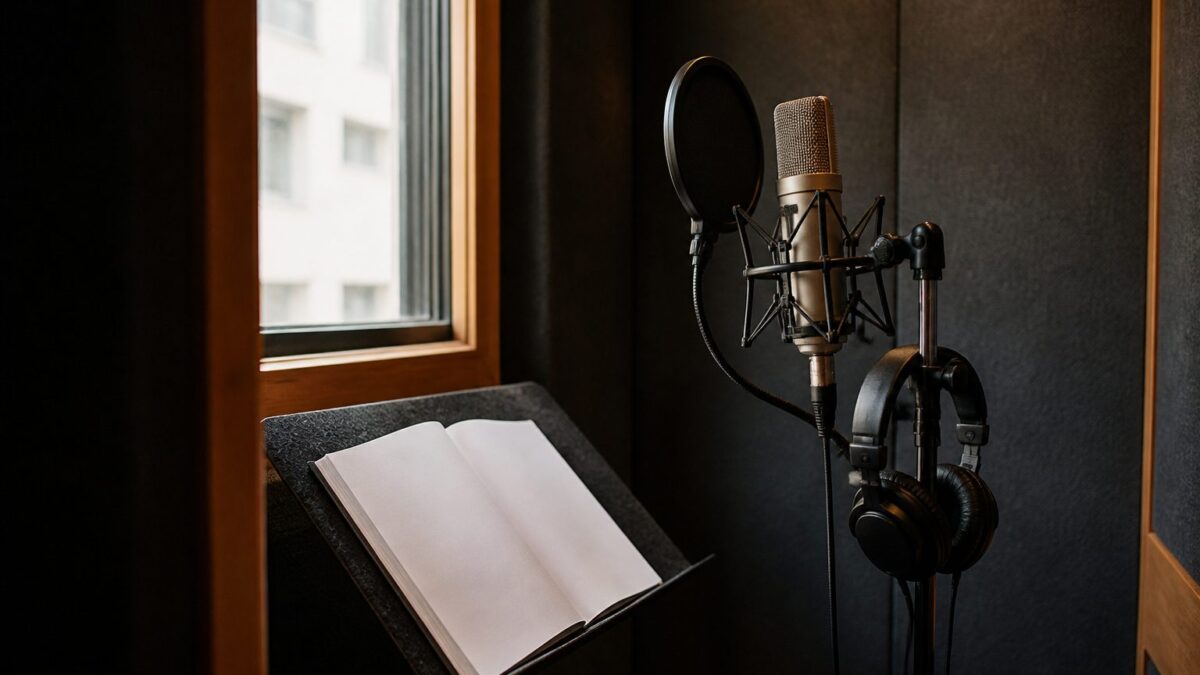
Once the script is ready and actors are cast, recording sessions begin in a soundproof booth. Voice actors watch the anime scenes on a screen and perform their lines in time with the character’s mouth movements. Directors guide actors to match the emotion, timing, and context of each scene. Engineers record multiple takes, choosing the best performances for the final mix. This process can be fast-paced for TV series or more meticulous for high-profile films.
- Actors often record solo, but sometimes work in pairs for natural dialogue.
- Directors provide context, accent guidance, and feedback for consistency.
- Retakes are common when syncing or acting needs improvement.
How is the dubbed audio mixed and finalized?
Once the new voice performances have been recorded, the process of editing and mixing the dubbed audio begins. This stage is handled by skilled audio engineers and is critical to ensuring the dubbed anime sounds polished and immersive. The process involves several key steps that transform raw recordings into a finished soundtrack that feels natural within the context of the animation:
- Dialogue editing: Editors meticulously trim, arrange, and align each line of dialogue so that it matches the timing and mouth movements of the animated characters. This step often requires careful adjustments to ensure that speech cues sync perfectly with on-screen action, especially during fast-paced or emotionally charged scenes. For instance, in action-heavy anime like One Piece or Fullmetal Alchemist, precise editing is necessary to maintain the intensity and flow of dialogue.
- Mixing: During mixing, engineers balance the levels of the newly recorded dialogue, original background music, and sound effects. The goal is to achieve clarity, so that voices are neither drowned out by music nor separated from the atmosphere of the scene. This step also involves adding or adjusting sound effects to match the new dialogue, ensuring that every footstep, door slam, or magical attack sounds cohesive within the world of the anime.
- Final review: The completed audio track undergoes a thorough quality control check. Producers, directors, and sometimes even licensors review each episode or film, listening for errors such as misaligned dialogue, awkward phrasing, or technical glitches. They may request fixes or re-recordings if something feels out of place. This step is essential for maintaining the high standards expected by both fans and rights holders.
Throughout this process, the objective is to create a dubbed version that feels as natural and engaging as the original Japanese release. The best dubs are those where viewers can focus on the story and characters without being distracted by mismatched audio or unnatural dialogue. When done well, the final product is a seamless blend of performance, technology, and artistry.
Why is lip-sync important in dubbing?
Lip-sync is a fundamental aspect of anime dubbing because it directly affects how believable and immersive the viewing experience is for audiences. When the characters’ mouth movements align with the spoken dialogue, it creates the illusion that they are genuinely speaking the new language. If the timing or shape of the words does not match the animation—often referred to as the “lip flaps”—the disconnect can be distracting and break the emotional engagement with the story.
Script adapters play a key role in achieving good lip-sync by rewriting translated lines to fit the available mouth movements. This can involve changing the phrasing, adjusting sentence length, or even altering jokes and expressions so that the dialogue feels natural and matches the timing of the animation. For example, in high-profile dubs like My Neighbor Totoro or Spirited Away, careful attention is paid to ensure that every line fits the character’s on-screen speech patterns, especially during emotional or dramatic scenes.
- Some anime, particularly older or lower-budget series, use limited mouth animation, which makes syncing dialogue easier since the mouth shapes are more generic and less tied to specific sounds.
- Modern or high-budget productions often feature more detailed and expressive mouth movements, requiring precise script adaptation and voice acting to achieve convincing synchronization.
- Perfect lip-sync is especially important for main characters and key emotional moments, where even slight mismatches can undermine the impact of a scene.
Ultimately, effective lip-syncing ensures that the dubbed version maintains the illusion of authenticity, allowing viewers to become fully immersed in the world and characters of the anime, regardless of language.
How do translators adapt cultural references and jokes?
Translators and script adapters play a crucial role in making anime accessible and enjoyable for viewers from different cultures, especially when it comes to handling jokes, idioms, and references that are unique to Japan. Direct translations often fail to capture the intended humor or meaning, so the team must localize these elements for the new audience. This process, known as localization, requires creativity, cultural knowledge, and sensitivity to both the source material and the target audience.
For example, Japanese anime often includes puns based on kanji or wordplay that simply doesn’t exist in other languages. In such cases, script adapters may invent new jokes or substitute similar wordplay in the target language, as seen in dubs of series like Detective Conan or Yu-Gi-Oh!. Cultural references—such as holidays, foods, or traditional sayings—are sometimes replaced with equivalents that are more familiar to the audience. For instance, a reference to Japanese Children’s Day might become a mention of a local holiday in the dubbed version.
- Some references are retained, but with added explanation or context through dialogue or visual cues, helping viewers understand the original meaning without breaking immersion.
- Other times, references are swapped entirely for something that resonates more with the new audience, ensuring the story remains relatable and engaging.
- Wordplay and puns often require the most creative adaptation, as translators must find solutions that fit both the meaning and the timing required by the animation’s mouth movements.
The ultimate goal is to preserve the spirit, intent, and humor of the original anime while making it feel natural in the target language. Successful localization can make jokes land just as effectively and cultural moments feel just as meaningful as they do in Japanese, contributing to the global appeal of anime.
Who are the key players in anime dubbing?
Anime dubbing brings together a diverse team of specialists, each of whom plays an essential role in transforming a Japanese anime into a version that feels natural and engaging in another language. The process is highly collaborative, and the final dubbed product depends on the expertise and coordination of these professionals:
- Translators: These linguists are responsible for converting the original Japanese dialogue into the target language. Their work goes beyond literal translation—they must understand nuances, character intent, and cultural subtext to ensure nothing important is lost in the process. For example, in series like Naruto or My Hero Academia, translators must handle everything from slang to specialized terminology.
- Script adapters: After translation, script adapters refine the dialogue so it fits the timing and mouth movements (lip flaps) of the animated characters. They also localize jokes, idioms, and cultural references, ensuring the script feels authentic to the new audience. Their work is crucial in shows like Pokémon, where puns and wordplay are frequent.
- Voice actors: Voice actors, or dub actors, bring the characters to life in the new language. They must match the original character’s personality, tone, and emotional range, often referencing the Japanese performance for guidance. Well-known English dub actors, such as those for Dragon Ball Z or Attack on Titan, are celebrated for their ability to capture the essence of beloved characters.
- Directors: The dubbing director oversees recording sessions, guiding voice actors to deliver performances that fit the story, animation style, and emotional beats. They help maintain consistency and ensure the dubbed version respects the spirit of the original.
- Audio engineers: These technical experts handle the recording, editing, and mixing of the new dialogue. They ensure that voices blend seamlessly with sound effects and music, and that everything is synchronized with the animation. Their skills are vital for immersive viewing experiences, especially in action-heavy anime.
- Producers/project managers: Overseeing the entire process, producers and project managers coordinate schedules, budgets, and quality assurance. They ensure deadlines are met and that the final product meets both the expectations of licensors and fans.
Each of these roles is interdependent, and their combined expertise is what allows anime dubbing studios to create high-quality localizations that resonate with audiences worldwide.
How is anime dubbing different around the world?
Anime dubbing varies by region, reflecting local tastes, industry standards, and audience preferences. In the United States, studios like FUNimation, Viz Media, and Bang Zoom! Entertainment are well known for English dubs. In Latin America, studios in Mexico City have produced beloved Spanish dubs for decades. Europe has a strong tradition of dubbing into French, German, Italian, and more. India’s anime dubbing industry is growing, dubbing into Hindi and other regional languages. Each market brings its own approach to casting, adaptation, and performance, sometimes even changing character names or references to better fit local culture.
- Some regions prioritize strict script accuracy; others favor natural, colloquial dialogue.
- Budget and time constraints can affect dubbing quality.
- Fan preferences for sub vs. dub differ by country and generation.
What are some famous examples of anime dubbing?
Several anime dubs have become iconic, introducing entire generations to Japanese animation. The English dub of “Dragon Ball Z” by FUNimation is a classic, credited with popularizing anime in North America. “Pokémon” and “Sailor Moon” also achieved massive global success through their dubbed versions. In Latin America, the Spanish dubs of “Saint Seiya” and “Doraemon” are cultural touchstones. Some dubs, like “Cowboy Bebop” (English), are praised for their voice acting and adaptation, while others have sparked debate over changes or censorship. These examples highlight the impact of dubbing on anime’s worldwide reach.
- “Dragon Ball Z” (English, Spanish, French, etc.)
- “Pokémon” (dubbed in over 30 languages)
- “Naruto” (widely dubbed worldwide)
- “Sailor Moon” (notable for adaptation changes in different markets)
- “Detective Conan” (long-running dubs in multiple languages)
What is the difference between dubbing and subtitling?
The main difference is that dubbing replaces the original audio with new dialogue in another language, while subtitling adds translated text to the bottom of the screen without altering the audio. Dubbing allows viewers to watch without reading, but may lose some nuances of the original performance. Subtitles preserve the original voices and often a more literal translation, but require reading and can distract from the visuals. Preferences for dub or sub vary by region and personal taste.
| Aspect | Dubbing | Subtitling |
|---|---|---|
| Audio | Replaces original voices with new language | Keeps original voices, adds translated text |
| Viewer Experience | No reading required, fully localized | Requires reading, original tone preserved |
| Production | Voice acting, script adaptation, audio editing | Translation and timing of text on screen |
| Challenges | Lip-sync, cultural adaptation, casting | Text length, reading speed, wordplay |
| Popular Regions | North America, Latin America, Europe, India | Japan, South Korea, some English-speaking countries |
Frequently asked questions
How long does it take to dub an anime episode?
Dubbing an anime episode can take anywhere from a few days to several weeks, depending on the length, complexity, and production schedule. High-profile series may spend more time on adaptation and recording, while fast turnarounds are common for simul-dubs (dubs released soon after the Japanese airing).
Do voice actors watch the full anime before recording?
Usually, voice actors see only the scenes they’re recording, not the full series. Directors provide context and explanations. Some actors research the show or character in advance, but schedules often limit exposure to just the relevant footage for their roles.
Why do some dubs change character names or dialogue?
Character names or lines may be changed in dubs to make them easier to pronounce, more relatable, or to localize cultural references. Sometimes, changes are made for censorship or to fit broadcast standards in a particular country or region.
Are dubbed versions censored or edited?
Some dubbed versions are edited for content, especially if intended for children or mainstream TV. This can involve removing violence, sexual content, or culturally sensitive material. Streaming services increasingly offer uncut dubs, but edits still occur in some markets.
Why do fans argue about subs vs. dubs?
The “subs vs. dubs” debate centers on authenticity and personal preference. Some fans feel subtitles preserve the original intent and performances, while others prefer dubs for accessibility and immersion. Both have passionate supporters, and quality varies by series and studio.
Can I become a dubbing voice actor?
Yes, many voice actors enter dubbing through auditions, voice training, and acting experience. Studios look for strong acting skills, vocal versatility, and the ability to match timing and emotion. Opportunities exist worldwide, especially in major dubbing hubs.
The bottom line
Anime dubbing is a complex, collaborative process that brings Japanese animation to global audiences. By translating, adapting, and performing new dialogue, dubbing teams help fans experience anime in their own language while striving to honor the spirit of the original.