12 Anime Genres Explained
Anime genres range from action and romance to isekai and slice of life, each offering unique themes, storytelling styles, and fan experiences.

Quick answer: Anime genres are categories that group series and films by their themes, target audiences, and storytelling styles. Popular genres include action, romance, isekai, slice of life, and more, each offering distinct experiences. Understanding these genres helps viewers find shows that match their interests and expectations.
Anime’s global popularity owes much to its remarkable diversity. The medium covers a vast range of genres, each with its own conventions, moods, and signature titles. Whether you’re new to anime or a longtime fan, knowing how genres are defined can help you discover new favorites and understand what makes each series unique.
This guide breaks down 12 essential anime genres. From the high-octane battles of shonen to the everyday charm of slice of life, here’s what sets each apart—and why they matter.
Key takeaways
- Anime genres help viewers identify series by story themes, tone, and intended audience.
- Major genres include shonen, shojo, seinen, josei, isekai, and slice of life.
- Genres often overlap, with many shows blending elements from multiple categories.
- Understanding genres can highlight cultural trends and storytelling traditions in Japanese media.
- Iconic series in each genre have shaped anime’s global reputation and fandoms.
What are anime genres?
Anime genres are organizational categories that classify anime series and films based on their central themes, storytelling styles, and intended audiences, helping viewers quickly identify what kind of story or experience to expect. These genres range from action, romance, and fantasy to more specific categories like slice of life, horror, or science fiction. What sets anime apart from many other forms of entertainment is its additional use of demographic-based labels, which indicate the primary audience for a work. For example, shonen targets young boys and often features action-packed adventures and themes of friendship and growth, as seen in series like Naruto and One Piece. Shojo is aimed at young girls, typically focusing on romance and emotional development, with examples like Fruits Basket or Sailor Moon. Other demographic genres include seinen (adult men) and josei (adult women), which often explore more mature or nuanced themes.
Beyond demographics, anime genres also describe the narrative focus and mood. For instance, a mecha anime centers around giant robots and technological conflict, while a magical girl series involves young heroines with supernatural powers. These genre labels are not just marketing tools—they also reflect storytelling traditions and audience expectations within Japanese pop culture. As a result, fans can use genre classifications to discover new shows that align with their interests, and creators can use them as frameworks to innovate or subvert established tropes. The system is flexible, allowing for hybrid genres and experimental narratives, which contributes to the diversity and richness of anime as a medium.
How are anime genres different from Western genres?
Anime genres differ from Western genres in several key ways, most notably in how they categorize works by both content and intended audience demographics. While Western media traditionally organizes stories by genre alone—such as science fiction, romance, or thriller—anime often adds demographic labels that specify the age and gender of the target audience. Terms like shonen (young boys), shojo (young girls), seinen (adult men), and josei (adult women) are central to how anime is marketed and discussed in Japan. These labels influence everything from the complexity of the plot to the art style, pacing, and themes addressed. For example, shonen series like Dragon Ball or My Hero Academia tend to focus on action, friendship, and overcoming obstacles, while josei works such as Nana or Paradise Kiss might explore adult relationships and real-life challenges with greater nuance.
Another distinction is the prevalence of genre blending in anime. While Western media often keeps genres separate, anime frequently combines elements from different genres, resulting in hybrid stories that are harder to categorize but richer in scope. A single anime might mix fantasy, romance, and comedy, or combine horror with slice-of-life elements. This creative flexibility allows for more experimental narratives and character types, and it enables fans to find series that cater to multiple interests at once.
Additionally, anime genres often reflect cultural themes or storytelling traditions unique to Japan, such as the focus on school life, seasonal festivals, or the supernatural. These differences contribute to anime’s distinct identity and global appeal, offering viewers experiences that are both familiar and refreshingly new compared to Western entertainment.
12 essential anime genres explained
Here are 12 core anime genres, each with defining traits and classic examples:
- Shonen: Action-driven series aimed at young boys, featuring heroes, friendship, and growth. Famous examples: Naruto, Dragon Ball.
- Shojo: Romantic or emotional stories targeting young girls, often with a focus on relationships and personal feelings. Notable titles: Sailor Moon, Fruits Basket.
- Seinen: Mature themes and complex plots for adult men, sometimes with psychological or gritty content. Examples: Berserk, Ghost in the Shell.
- Josei: Realistic romance or slice of life stories for young adult women; more nuanced than shojo. Examples: Nana, Paradise Kiss.
- Isekai: Protagonists transported to another world, often with game-like rules. Examples: Re:Zero, No Game No Life.
- Slice of Life: Everyday experiences and character-driven stories, focusing on realism and mood. Examples: March Comes in Like a Lion, Barakamon.
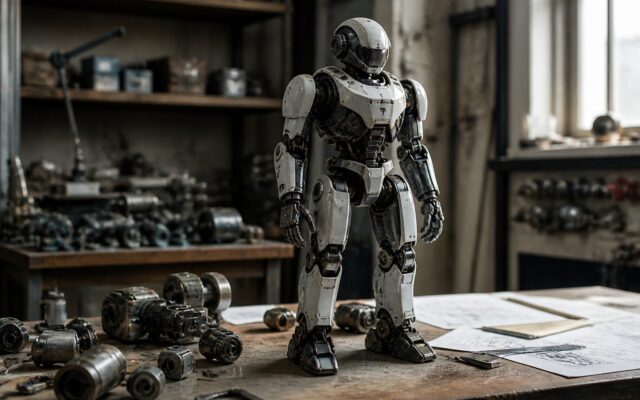
- Mecha: Series centered on robots or mechanical suits, often featuring sci-fi battles. Classic titles: Mobile Suit Gundam, Neon Genesis Evangelion.
- Sports: Competitive athletics as the main theme, emphasizing teamwork and rivalry. Examples: Slam Dunk, Haikyu!!.
- Magical Girl (Mahou Shoujo): Young girls with magical powers who fight evil. Iconic series: Sailor Moon, Cardcaptor Sakura.
- Horror: Supernatural, psychological, or grotesque elements designed to scare or unsettle. Examples: Another, Parasyte.
- Fantasy: Worlds with magic, mythical creatures, or epic quests. Examples: Fullmetal Alchemist, Made in Abyss.
- Comedy: Series that prioritize humor, parody, or lighthearted storytelling. Examples: Gintama, KonoSuba.
How do demographic genres like shonen and shojo work?
Demographic genres in anime, such as shonen and shojo, are classifications based on the intended audience’s age and gender. Shonen targets boys aged 12-18, typically featuring action, adventure, and themes of friendship and perseverance. Shojo is aimed at girls in the same age group, focusing on romance, emotional development, and personal relationships. These labels influence both the storytelling style and the kinds of characters that appear, shaping everything from pacing to visual design. While originally tied to manga magazine categories, these genres now guide anime adaptations and marketing as well. Many series are enjoyed by broader audiences regardless of their original demographic target.
What makes isekai stand out as a genre?
Isekai stands out by centering on characters who are transported from their ordinary world into a fantastical or parallel universe. This setup allows for fresh worldbuilding, new rules, and often game-inspired mechanics. The genre’s appeal lies in escapism and wish fulfillment, as viewers follow protagonists who gain special abilities or face epic challenges. Isekai can cross into action, comedy, or romance, but always features the core element of world transition. The genre exploded in popularity in the 2010s, with countless light novels and anime adaptations fueling its rise. Classic examples include Re:Zero, KonoSuba, and No Game No Life.
How does slice of life differ from other genres?
Slice of life anime focuses on everyday experiences, emphasizing realism, subtle emotions, and character-driven stories. Unlike action or fantasy genres, slice of life avoids dramatic stakes or supernatural elements, instead highlighting the beauty of ordinary moments. These series often follow school life, family, or friendship, using gentle pacing and understated humor. Examples like March Comes in Like a Lion and Barakamon are celebrated for their calming tone and relatable characters. Slice of life can overlap with romance or comedy, but its core appeal is in depicting the small joys and struggles of daily living.
Why are mecha and magical girl genres so iconic?
Mecha and magical girl genres have achieved iconic status in anime due to their instantly recognizable aesthetics, influential storytelling, and enduring impact on both Japanese and global pop culture. Mecha anime revolves around giant robots or mechanical suits, often piloted by humans who are thrust into dramatic, high-stakes conflicts. Series like Mobile Suit Gundam and Neon Genesis Evangelion are foundational, not only for their spectacular robot battles but also for their exploration of complex themes such as war, identity, trauma, and the ethical dilemmas of advanced technology. These shows often blend action with philosophical or psychological questions, making them appealing to a wide range of viewers and inspiring countless adaptations, model kits, and homages within and beyond anime.
The magical girl (mahou shoujo) genre is equally iconic, characterized by stories of young girls who gain magical abilities and use them to fight evil while navigating everyday life. Classics like Sailor Moon and Cardcaptor Sakura set the template with their transformative sequences, vibrant costumes, and themes of friendship, love, and self-discovery. Magical girl anime often balance lighthearted moments with serious undertones, addressing issues like responsibility, sacrifice, and teamwork. The genre’s visual flair—sparkling transformations, signature attacks, and memorable mascots—has made it especially influential in fashion, merchandise, and fan culture.
Both genres have left a lasting mark by spawning a vast array of spin-offs, parodies, merchandise, and even influencing Western animation. Their strong visual identities and universal themes have helped shape how anime is perceived around the world, making mecha and magical girl series some of the most recognizable and celebrated in the medium’s history.
How do sports and comedy anime engage viewers?
Sports and comedy anime captivate audiences by combining energetic storytelling, emotional depth, and relatable experiences, making them some of the most accessible and beloved genres in anime. Sports anime like Slam Dunk, Haikyu!!, and Yuri!!! on ICE transform athletic pursuits into compelling narratives by focusing on both the physical intensity of competition and the inner struggles of the characters. These series dramatize not just the games themselves, but also the teamwork, rivalries, and personal growth that come with striving for excellence. The tension of a close match, the exhilaration of victory, and the pain of loss are all depicted in ways that invite viewers to empathize with the characters, even if they have no prior interest in the sport depicted. In addition to the action, sports anime often delve into themes of friendship, perseverance, and the pursuit of dreams, making the stakes feel deeply personal and universally resonant.
Comedy anime such as Gintama, KonoSuba, and Nichijou keep viewers engaged through a rapid-fire mix of slapstick, absurdity, and clever parody. These shows often break the fourth wall, lampoon anime conventions, and embrace surreal situations, offering humor that ranges from witty dialogue to over-the-top physical gags. The comedic timing, expressive animation, and unique character dynamics create an atmosphere where anything can happen, keeping the audience on their toes. Many comedy anime also weave in moments of genuine emotion or social commentary, adding layers to the laughs and making the experience more rewarding.
Both genres are easy entry points for newcomers to anime, as their themes of effort, failure, camaraderie, and joy are universally understood. Whether following a ragtag volleyball team’s rise to glory or laughing at a hapless hero’s misadventures in another world, viewers find themselves drawn in by the energy, relatability, and emotional highs and lows. Their ability to connect with audiences across cultures and backgrounds is a key reason why sports and comedy anime remain enduring favorites.
How do genres overlap in anime?
Anime frequently blends multiple genres within a single series, resulting in hybrid stories that appeal to a broad spectrum of viewers and offer creators greater narrative flexibility. This genre overlap allows anime to explore complex themes and character dynamics that might not fit neatly into a single category. For instance, Fullmetal Alchemist weaves together elements of fantasy, action, adventure, and drama, using its alchemical setting to explore deep philosophical questions about sacrifice, morality, and family. Similarly, Sailor Moon is not just a magical girl series; it also incorporates romance, comedy, and science fiction, broadening its appeal and emotional range.
Many anime use this approach to subvert or play with audience expectations. A show that starts as a straightforward sports anime might introduce supernatural elements or delve into psychological drama, as seen in series like Kuroko’s Basketball or Ping Pong the Animation. Likewise, comedy anime often parody other genres, blending humor with action, horror, or romance to create something unique, as Gintama does by lampooning everything from samurai epics to science fiction tropes.
This genre fluidity is partly a reflection of anime’s creative culture, where writers and directors are encouraged to experiment with storytelling conventions. For viewers, it means that a single series can offer a mix of excitement, emotional depth, and humor, often defying easy categorization. As a result, anime’s willingness to overlap genres has contributed to its reputation as a dynamic and innovative medium, rewarding those who are open to exploring new styles and narrative combinations.
Timeline: When did these genres emerge?
| Genre | Era of Popularization | Early Iconic Titles |
|---|---|---|
| Shonen | 1960s-1970s | Astro Boy, Mazinger Z |
| Shojo | 1970s | Rose of Versailles, Candy Candy |
| Seinen | 1980s | Akira, Golgo 13 |
| Josei | 1990s | Nana, Honey and Clover |
| Isekai | 2000s-2010s | Digimon Adventure, .hack//Sign |
| Slice of Life | Late 1990s | Azumanga Daioh, Yokohama Kaidashi Kikou |
| Mecha | 1970s-1980s | Mobile Suit Gundam, Macross |
| Sports | 1980s | Captain Tsubasa, Slam Dunk |
| Magical Girl | 1970s-1990s | Sally the Witch, Sailor Moon |
| Horror | 1980s-1990s | Vampire Hunter D, Devilman |
| Fantasy | 1980s-1990s | Record of Lodoss War, Berserk |
| Comedy | 1980s-present | Urusei Yatsura, Ranma ½ |
Frequently asked questions
What is the difference between shonen and seinen anime?
Shonen anime targets younger male audiences with action and themes of growth, while seinen anime is aimed at adult men and often features mature, complex stories, psychological depth, and darker themes. Both can include action, but their tone and subject matter differ significantly.
Can anime belong to more than one genre?
Yes, many anime series blend multiple genres. For example, Fullmetal Alchemist mixes action, fantasy, and drama, while Sailor Moon combines magical girl, romance, and comedy. This genre mixing is common and often leads to richer, more layered storytelling.
Are anime genres the same as manga genres?
Anime genres closely follow manga genres, as most anime are adapted from manga. The same demographic and thematic categories apply, though some anime-original works may play with or combine genres in new ways. The overlap helps fans navigate both mediums easily.
What is the most popular anime genre worldwide?
Shonen is widely considered the most globally popular anime genre, thanks to major franchises like Naruto, Dragon Ball, and One Piece. These series have broad appeal, mixing action, humor, and relatable characters to attract diverse audiences.
Is isekai a new genre?
Isekai as a distinct genre rose to prominence in the 2010s, but stories about traveling to other worlds have existed in Japanese media for decades. Recent trends and the popularity of light novels have made isekai a major force in modern anime.
Do genres affect anime art style?
Yes, genres can influence art style. For instance, shonen often features bold lines and dynamic poses, while shojo uses softer colors and expressive eyes. Mecha emphasizes mechanical designs, and slice of life favors gentle, realistic visuals. These conventions help viewers recognize a genre at a glance.
The bottom line
Anime genres provide a roadmap for exploring the medium’s variety and depth. By understanding these 12 core categories, fans can better appreciate the storytelling traditions and creative choices that make anime unique worldwide.