What Is Sampling in Music?
Sampling in music means reusing parts of existing recordings—like a drumbeat or melody—to create new songs. It’s a core technique in genres like hip-hop, dance, and pop.
Quick answer: Sampling in music is the technique of reusing segments from existing recordings—such as a drumbeat, melody, or vocal phrase—to create new songs or compositions. Artists sample to build fresh tracks, pay homage, or transform familiar sounds, making it a cornerstone of genres like hip-hop, electronic, and pop music.
Sampling is everywhere in modern music, from the hooks that define pop hits to the beats that drive hip-hop and dance tracks. By lifting snippets from older songs and weaving them into new productions, artists can evoke nostalgia, spark innovation, or simply add an irresistible groove.
Though often associated with hip-hop, sampling’s roots go back decades and cross genres and cultures. It’s both an art form and a technical process, raising creative and legal questions that have shaped the sound of contemporary music worldwide.
Key takeaways
- Sampling means reusing parts of pre-recorded music in new songs.
- It began with experimental composers and became central to hip-hop and dance music.
- Sampling is both a creative tool and a legal issue, requiring clearance from original rights holders.
- Iconic songs across genres—from pop to K-pop to Bollywood—use samples.
- Technology, from turntables to digital audio software, has made sampling more accessible than ever.
What does sampling mean in music?
In music, sampling refers to the practice of taking a segment from a pre-existing audio recording and integrating it into a new musical work, often as a foundational or decorative element. This sampled portion can be anything from a short drum hit, a catchy vocal phrase, a distinctive melody, or even a spoken word excerpt. Rather than recreating these sounds from scratch, artists use actual fragments of previously recorded material, which they may manipulate by looping, pitch-shifting, chopping, reversing, or layering with other sounds.
Sampling can be used in both overt and subtle ways. Some tracks make their sampled source instantly recognizable, such as Puff Daddy’s “I’ll Be Missing You,” which prominently features The Police’s “Every Breath You Take.” Others may use heavily altered or obscure samples that are difficult for the average listener to identify, as in much of the work by electronic artists like Aphex Twin or J Dilla, who are known for transforming tiny snippets into entirely new sonic textures. The sampled material can serve as the song’s main hook, the rhythmic backbone, or a background texture that adds depth and character.
Sampling is not just a technical process; it’s also a creative and cultural act. It allows musicians to reference, reinterpret, or pay homage to earlier works, creating a musical dialogue that bridges eras and genres. The practice has become a fundamental part of contemporary music production, especially in hip-hop, electronic, pop, and experimental music, where it enables artists to build on the past while pushing creative boundaries. Sampling also opens up possibilities for musical innovation, enabling the creation of sounds and compositions that might not be possible through traditional instrumentation alone.
Where did the term ‘sampling’ come from?
The term ‘sampling’ in music originates from the field of audio engineering, where it was initially used to describe the process of digitally capturing sound by breaking it down into small, measurable units known as ‘samples.’ In digital audio, a sample is a single measurement of an audio signal’s amplitude at a given moment in time, and thousands of these are strung together per second to recreate a full sound wave. This technical process became possible with the advent of digital recording technology in the late 20th century, which allowed sounds to be stored, manipulated, and reproduced with precision.
As digital technology advanced, musicians and producers started to use these audio samples creatively rather than just for recording accuracy. By the late 1970s and early 1980s, the term ‘sampling’ had evolved to mean taking fragments of existing audio recordings—such as drum breaks, vocal hooks, or instrumental riffs—and repurposing them in new musical contexts. Early hip-hop DJs like Grandmaster Flash and Afrika Bambaataa would manually loop sections of vinyl records, particularly drum breaks, to create extended grooves for live performances and rapping. This practice laid the groundwork for the use of digital samplers, which made the process much easier and more flexible.
The arrival of commercial digital samplers like the Fairlight CMI, E-mu Emulator, and Akai MPC in the 1980s revolutionized the music industry. These devices allowed artists to record, manipulate, and trigger samples with unprecedented speed and creativity. As a result, ‘sampling’ became synonymous with the act of borrowing and transforming recorded material, and the term stuck as the technique spread across genres. Today, sampling is a cornerstone of modern music production, with its roots firmly planted in both technological innovation and artistic experimentation.
How is sampling different from covering or remixing?
Sampling, covering, and remixing are three distinct approaches to reinterpreting existing music, each with its own methods and creative intentions. Sampling specifically involves extracting a segment—such as a drumbeat, melody, or vocal line—from a pre-existing audio recording and incorporating that actual recording into a new track. The sample is often manipulated, looped, or layered with new material, but the essence is that it uses the original sound source directly.
- Sampling: Involves the direct reuse of a recorded segment from another song. For example, Kanye West’s “Stronger” samples Daft Punk’s “Harder, Better, Faster, Stronger,” weaving the original recording into a new context.
- Covering: Means performing a new version of an existing song, usually by recreating all the musical parts from scratch. The artist interprets the song in their own style, such as Jimi Hendrix’s cover of Bob Dylan’s “All Along the Watchtower” or Whitney Houston’s rendition of “I Will Always Love You.” No part of the original recording is used; only the underlying composition is retained.
- Remixing: Involves altering the structure, arrangement, or feel of an existing song, often using the original multitrack recordings (stems) provided by the artist or label. Remixes might add new beats, change the tempo, or incorporate additional samples, as seen in club remixes of pop hits or electronic reinterpretations of rock songs.
The key distinction is that sampling is about recontextualizing a piece of audio from another recording, while covering is about re-performing a song in a new way, and remixing is about transforming an existing recording’s structure or style. Sampling often pays homage to or comments on the original work by integrating its actual sound, whereas covering and remixing reinterpret the song through performance or rearrangement. These techniques can sometimes overlap, but their core approaches and creative goals remain different.
Why do artists sample music?
Artists sample music for a variety of creative, practical, and cultural reasons, using the technique to enrich their sound and connect with listeners in unique ways. Sampling allows musicians to instantly evoke a certain mood, era, or genre by referencing familiar sounds, and it can add layers of meaning or nostalgia to a track. For example, a hip-hop producer might sample a classic soul record to create a sense of continuity with musical history, while a pop artist might sample a recognizable riff to give their song instant appeal.
- Creative inspiration: Sampling enables artists to reimagine old sounds in new contexts, sparking fresh ideas and enabling genre-blending. The Beastie Boys, for instance, built much of their early work from eclectic samples, resulting in a playful and innovative sound.
- Efficiency: Using samples can streamline the production process, especially when it comes to complex rhythms, textures, or instrumental parts that would be time-consuming or difficult to recreate. Producers with limited resources can access a world of sounds at their fingertips.
- Cultural conversation: Sampling is a form of musical dialogue, allowing artists to comment on, critique, or celebrate earlier works. It can serve as homage, satire, or social commentary, as seen in tracks like M.I.A.’s “Paper Planes,” which samples The Clash’s “Straight to Hell.”
- Signature sound: Some musicians develop a unique artistic identity through their sampling choices and techniques. Producers like J Dilla, DJ Shadow, and The Avalanches are celebrated for their inventive and distinctive use of samples, which become central to their creative voice.
Ultimately, sampling is about more than just borrowing sounds—it’s a powerful tool for storytelling, innovation, and connection across time and cultures. It allows artists to build on the past, create new sonic landscapes, and engage listeners in a rich tapestry of musical references and ideas.
What are the most famous samples in music history?
Some samples have become as legendary as the songs they appear in. The Amen break—a six-second drum solo from The Winstons’ 1969 track “Amen, Brother”—is arguably the most sampled segment in history, appearing in thousands of hip-hop, jungle, and pop songs worldwide.
- James Brown’s “Funky Drummer”: The drum break by Clyde Stubblefield is a foundation for countless hip-hop tracks.
- Chic’s “Good Times”: Its bassline was famously sampled in “Rapper’s Delight” by The Sugarhill Gang.
- The Clash’s “Straight to Hell”: Used in M.I.A.’s “Paper Planes.”
- ABBA’s “Gimme! Gimme! Gimme! (A Man After Midnight)”: Sampled in Madonna’s “Hung Up.”
- Kraftwerk’s electronic beats: Sampled in early hip-hop and techno worldwide.
Sampling isn’t limited to Western pop—Bollywood, K-pop, and global dance music all use samples to create new hits and cross-cultural connections.
How do musicians sample: from vinyl to digital
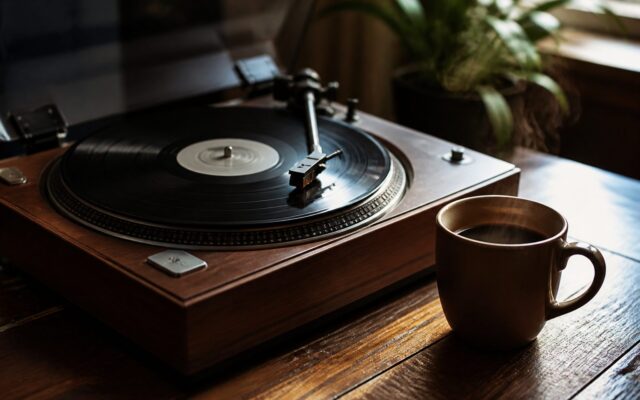
Sampling methods have evolved with technology. Early hip-hop DJs used turntables to isolate and loop drum breaks, manually cueing records to repeat sections. The invention of digital samplers in the 1980s, like the Akai MPC and E-mu SP-1200, allowed producers to record, chop, and rearrange samples with precision.
Today, most sampling is done using Digital Audio Workstations (DAWs) and software plugins. Producers can drag-and-drop audio files, manipulate them with effects, and layer samples seamlessly. Sample packs—collections of royalty-free sounds—are also widely available, making it easier for beginners and professionals alike.
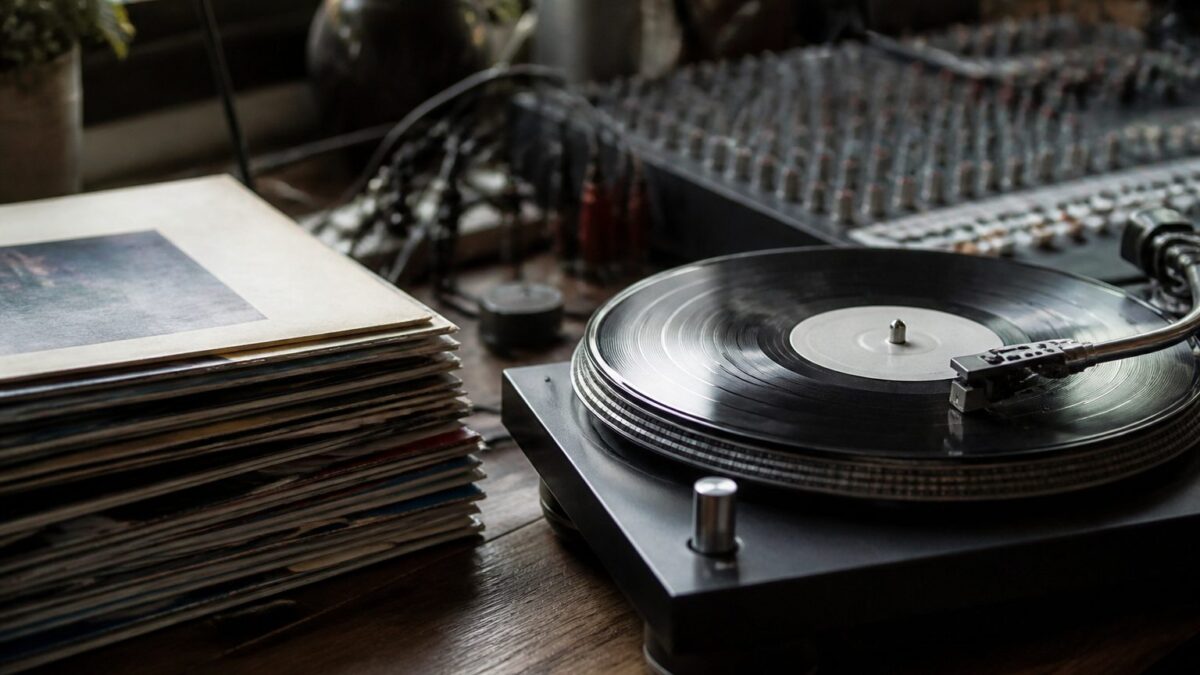
- Turntables and mixers: For live sampling and DJing.
- Hardware samplers: For tactile, hands-on production.
- DAWs and software: For detailed editing and creative manipulation.
This evolution has made sampling more accessible, but also raised new legal and ethical questions.
What are the legal rules around sampling?
Sampling music usually requires legal clearance from the owners of both the original recording and the underlying composition. Without permission, using a recognizable sample can result in lawsuits, fines, or the removal of a song from streaming platforms.
- Master recording rights: Owned by the record label or original artist.
- Publishing rights: Owned by the songwriters or publishers.
Some samples are cleared through negotiation and payment, while others are transformed enough to qualify as “fair use” (though this is rare and risky). Many artists now use royalty-free samples or create their own to avoid legal complications. High-profile cases involving artists like The Verve, Biz Markie, and more have set precedents that shape how sampling is handled worldwide.
How has sampling changed music genres?
Sampling has fundamentally reshaped music genres by making it possible to create new sounds through borrowing and recontextualizing existing recordings, leading to unprecedented levels of cross-genre fusion and innovation. In hip-hop, for example, sampling is the foundation of the genre—pioneering producers like DJ Kool Herc and Grandmaster Flash transformed funk, soul, and jazz records into rhythmic backdrops for MCs, giving rise to an entirely new musical movement. Iconic tracks like The Sugarhill Gang’s “Rapper’s Delight” or Public Enemy’s “Fight the Power” are built on recognizable samples, making the technique central to hip-hop’s sound and culture.
Electronic dance music (EDM) also thrives on sampling. House and techno producers have long sampled disco grooves, vocal snippets, and even everyday sounds to craft dancefloor anthems. Daft Punk’s “One More Time,” for example, famously samples Eddie Johns’ “More Spell on You,” while The Chemical Brothers and Fatboy Slim use samples to blend rock, funk, and electronic elements into their big-beat soundscapes.
Sampling is not limited to hip-hop and EDM. Pop and rock artists have used it to create hits that bridge generations—think of Madonna’s “Hung Up,” which samples ABBA, or The Verve’s “Bitter Sweet Symphony,” built around an orchestral sample from The Rolling Stones. In R&B, artists like Beyoncé and Janet Jackson have sampled classic soul and funk tracks to add depth and nostalgia. Global genres, including K-pop and Bollywood, incorporate samples from Western and regional music, creating hybrid styles that appeal to diverse audiences. Even contemporary classical and experimental music sometimes employ sampling to juxtapose traditional and modern elements.
Sampling has democratized music production, making it accessible to anyone with a computer and basic software. This accessibility encourages creativity and cultural exchange, allowing new voices to remix the past and fuel global trends. By enabling musical dialogue between generations and across borders, sampling continues to drive innovation and shape the evolution of music genres worldwide.
What are some ethical debates about sampling?
The ethics of sampling revolve around creativity, credit, and compensation. Some argue that sampling is a legitimate art form—an extension of folk traditions where melodies and rhythms are passed down and reinterpreted. Others see it as theft if done without permission or payment.
- Respect for original artists: Should sampling always give credit and royalties?
- Creativity vs. copying: When does sampling cross the line into plagiarism?
- Access and opportunity: Sampling lets new voices join the musical conversation, but legal barriers can stifle creativity.
These debates continue as technology evolves and as music becomes more global and collaborative.
| Term | Definition | Example |
|---|---|---|
| Sample | A segment of an existing recording reused in a new song. | The Amen break in countless tracks |
| Cover | A new performance of an existing song. | Whitney Houston’s “I Will Always Love You” |
| Remix | Altering a song’s arrangement or style, often with added elements. | Major Lazer’s remix of Beyoncé’s “Run the World” |
| Interpolation | Re-recording or replaying a melody or lyric from another song. | Mark Ronson’s “Uptown Funk” referencing The Gap Band |
| Fair use | Legal doctrine allowing limited use of copyrighted material without permission in certain cases. | Short, transformative samples in parody or critique |
Frequently asked questions
What is the difference between a sample and an interpolation?
A sample uses a direct audio snippet from an existing recording, while an interpolation involves replaying or re-singing a melody or lyric from another song. Interpolations avoid using the actual recording but still require permission from the songwriters or publishers.
Do artists need permission to use samples?
Yes, artists generally need permission from the owners of the original recording and the underlying composition to legally use a sample. Without clearance, they risk legal action, removal from platforms, or financial penalties.
What are some genres that rely heavily on sampling?
Hip-hop, electronic dance music (EDM), house, jungle, drum and bass, and some pop and R&B styles all rely heavily on sampling. Bollywood, K-pop, and global fusion genres also use samples to create hybrid sounds.
Can you sample music legally for free?
Sampling music legally for free is possible if you use royalty-free sample packs, public domain recordings, or sounds that the creator has explicitly made available for free use. Always check the license before using any sample in a commercial project.
How do producers find samples to use?
Producers find samples by digging through vinyl records, searching online sample libraries, using field recordings, or creating their own sounds. Some also trade samples within music communities or buy professionally curated sample packs.
Are there famous songs that were sued for sampling?
Yes, several famous songs have faced lawsuits over unauthorized sampling. High-profile cases include The Verve’s “Bitter Sweet Symphony,” which sampled The Rolling Stones, and Biz Markie’s “Alone Again,” which led to a landmark copyright ruling.
The bottom line
Sampling is a powerful tool that has shaped modern music across genres and cultures. By reimagining fragments of the past, artists create something new, sparking creativity, debate, and innovation that keep music evolving.