Open World Games vs Linear Games: Explained
Open world games offer player freedom and exploration, while linear games focus on guided, story-driven experiences. Each style shapes gameplay, narrative, and replay value.
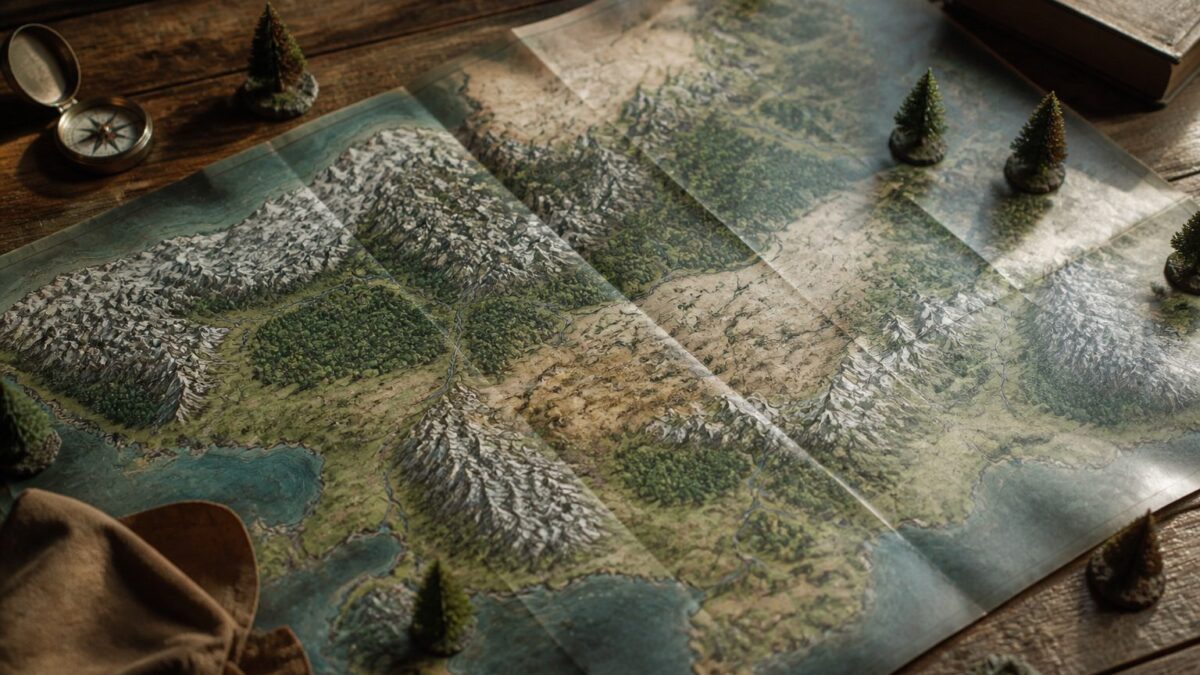
Quick answer: Open world games are video games that let players freely explore vast, interconnected environments and choose how to approach objectives, while linear games guide players through a fixed sequence of levels or story beats. The main difference is player freedom: open world games prioritize exploration and choice, while linear games focus on tightly directed stories and gameplay.
Few debates in gaming spark as much discussion as open world versus linear design. These two styles shape everything from how players experience stories to how they interact with game worlds. Both have passionate fans and have produced some of the most celebrated games of all time.
Understanding the strengths and tradeoffs of each approach helps explain why some players gravitate toward sprawling adventures, while others love a focused, story-driven journey. Here’s what sets open world and linear games apart—and why both continue to thrive.
Key takeaways
- Open world games offer freedom to explore, while linear games guide players through a set path.
- Linear games usually deliver tighter stories and more controlled pacing.
- Open world games encourage side quests, discovery, and emergent gameplay.
- Both styles appear across genres, from action and RPG to racing and adventure.
- Player preference often depends on mood, playstyle, and what they want from a game.
What is an open world game?
An open world game is a video game that gives players access to a large, interconnected environment to explore at their own pace. Unlike traditional games with set levels, open world games let players roam freely, often returning to previous areas and tackling objectives in any order. This design encourages curiosity, experimentation, and a strong sense of place.
Open world games usually feature a map with various points of interest: cities, wilderness, dungeons, or landmarks. Players can complete main story missions or take on side quests, uncover secrets, and interact with dynamic systems like weather or wildlife. Classic examples include The Legend of Zelda: Breath of the Wild, Grand Theft Auto V, The Witcher 3: Wild Hunt, and Red Dead Redemption 2.
- Freedom of movement: Players are rarely forced down a single path.
- Non-linear objectives: Story and side activities can be completed in different orders.
- Emergent gameplay: Systems interact in ways that create unexpected outcomes.
This approach is popular in action, RPG, and even racing games like Forza Horizon. The appeal lies in the sense of adventure, discovery, and ownership over the game experience.
What is a linear game?
A linear game is a video game structured around a fixed sequence of levels, story beats, or objectives, guiding players along a clear path from start to finish. In linear games, the developer controls the pacing, narrative, and what the player experiences at any given moment.
Examples include Uncharted, Call of Duty campaigns, God of War (2018), Half-Life, and Inside. Players move from one area to the next, often unable to backtrack or deviate from the main route. This allows for tightly crafted set pieces, cinematic storytelling, and carefully balanced difficulty.
- Directed experience: The game leads you through a story or challenge step by step.
- Fixed progression: Levels or chapters must be completed in order.
- Consistent pacing: Developers control when and how big moments happen.
Linear design is common in platformers, action games, horror titles, and many classic Japanese RPGs. It’s ideal for players who value story, spectacle, and a focused experience.
How are open world and linear games different?
The core difference between open world and linear games is player agency: open world games prioritize freedom, while linear games emphasize control. These differences affect nearly every aspect of gameplay, story, and world design.
| Feature | Open World | Linear |
|---|---|---|
| World Structure | Large, interconnected areas | Levels or chapters in sequence |
| Player Freedom | High—choose where to go and what to do | Low—follow a set path |
| Storytelling | Often non-linear, with side stories | Linear, tightly controlled narrative |
| Replay Value | High—multiple approaches, hidden content | Medium—replay for story or challenge |
| Pacing | Player-driven, can vary widely | Developer-driven, consistent |
Open world games can sometimes feel overwhelming or unfocused, while linear games risk feeling restrictive. Each style offers its own strengths, and many modern games blend both approaches.
Where did the terms come from?
The term “open world” emerged in the late 1980s and 1990s as games began offering more freedom of movement and choice. Early examples like Elite (1984) and The Legend of Zelda (1986) let players explore large areas without strict sequencing, laying the groundwork for modern open world design.
“Linear” refers to a more traditional game structure, where progression follows a straight line from one stage to the next. This was the norm in early arcade and console titles—think Super Mario Bros. or Contra—where hardware limitations made open environments impractical.
- Open world: Gained popularity with PC RPGs and action games in the 1990s and 2000s.
- Linear: Remains a foundational design, especially in story-driven genres.
Today, both terms are widely used by gamers, critics, and developers to describe how a game structures its world and player experience.
Which genres use open world or linear design?
Open world and linear design appear across nearly every genre, though some genres tend to favor one approach. Action-adventure, RPG, and sandbox games often go open world, while platformers, shooters, and horror games lean linear.
- Open world: Action-adventure (Assassin’s Creed), RPG (Skyrim), racing (Forza Horizon), survival (Subnautica).
- Linear: Platformers (Sonic the Hedgehog), shooters (Call of Duty campaigns), horror (Resident Evil), puzzle (Portal).
Some games blend both: Final Fantasy VII Remake mixes open areas with linear story beats. Even massive franchises like The Legend of Zelda have alternated between styles over the decades.
Globally, the approach may reflect regional tastes: Western studios often favor open world, while Japanese developers have a strong tradition of polished linear games. However, these lines blur as influences cross borders and technology advances.
What are the advantages of open world games?
Open world games excel at providing a sense of scale, immersion, and personal agency. The main advantages include:
- Exploration: Players can wander, discover secrets, and shape their adventure.
- Replayability: Multiple paths, choices, and hidden content encourage repeat play.
- Emergent gameplay: Dynamic systems create unpredictable moments.
- Player-driven pacing: You decide what to do and when.
This style is especially appealing for players who love to get lost in a world, experiment with mechanics, or ignore the main quest to pursue their own goals. Iconic open world games often become cultural touchstones because of their depth and breadth.
What are the advantages of linear games?
Linear games shine when it comes to storytelling, pacing, and carefully crafted experiences. Their main advantages include:
- Tight narrative: Developers control the story for maximum impact.
- Memorable set pieces: Carefully choreographed moments create excitement.
- Consistent challenge: Difficulty and learning curve are easier to balance.
- Shorter playtimes: Linear games often respect players’ time with focused campaigns.
Fans of linear games appreciate the cinematic feel, strong characters, and sense of progression. For many, these experiences are more emotionally powerful and satisfying than sprawling open worlds.
Can a game be both open world and linear?
Many modern games blend open world exploration with linear storylines or missions, creating a hybrid approach. These games offer freedom between missions but guide players through key story moments in a set order.
- Examples: Grand Theft Auto V has a huge open world, but story missions unfold linearly.
- “Hub and spoke” design: Games like Metroid Prime or Dark Souls let players explore interconnected areas, but progression is gated by abilities or items.
- Open zones: Some titles, such as Uncharted: The Lost Legacy, include open areas within an otherwise linear game.
These hybrids aim to balance freedom with narrative focus. They appeal to players who want the best of both worlds—exploration without sacrificing story or pacing.
How do open world and linear games affect storytelling?
Storytelling differs dramatically between open world and linear games. Linear games present a focused, controlled narrative, ensuring every player sees the same story beats in the same order. This allows for powerful pacing, character arcs, and dramatic reveals.
Open world games, by contrast, often feature branching stories, optional side quests, and environmental storytelling. Players may encounter plot points out of order or miss them entirely. This can create a more personalized narrative, but risks diluting emotional impact or making the story harder to follow.
- Linear: Stronger authorial control, cinematic moments, consistent themes.
- Open world: Player-driven stories, world-building through exploration, emergent narratives.
Some games use a main linear storyline within an open world, guiding players through key plot points while allowing freedom between them.
How do these styles impact replay value?
Open world games typically offer more replay value thanks to their size, side content, and multiple approaches to objectives. Players may return to find secrets, try different character builds, or experience alternate outcomes.
Linear games, while less replayable in terms of content, can still offer value through higher difficulties, speedruns, or collecting hidden items. Their shorter length and focused design make them ideal for replaying favorite moments.
- Open world: Suits players who want to invest dozens or hundreds of hours.
- Linear: Appeals to those who enjoy mastering a game or reliving the story.
Ultimately, replay value depends on the individual game and player preference.
Frequently asked questions
What is the main difference between open world and linear games?
Open world games give players freedom to explore and complete objectives in any order, while linear games guide players through a fixed series of levels or story events. The difference centers on player freedom versus developer control.
Are open world games always better than linear games?
No, open world games and linear games each offer unique advantages. Open world games excel at exploration and player agency, while linear games shine with focused storytelling and pacing. The best choice depends on what you enjoy most.
Can you have a linear story in an open world game?
Yes, many open world games feature a main story that unfolds linearly, even as players explore freely. Missions or main quests must be completed in order, while side content remains optional and non-linear.
Do open world games take longer to finish?
Generally, open world games take longer to complete than linear games due to their size, abundance of side quests, and optional content. However, players can focus on the main story for a shorter experience if they prefer.
Why do some players prefer linear games?
Some players prefer linear games for their tight pacing, cinematic storytelling, and clear sense of progression. Linear games often provide a more focused and emotionally resonant experience, with less risk of feeling lost or overwhelmed.
Are there examples of open world games from non-Western studios?
Yes, open world design appears worldwide. Notable examples include Yakuza: Like a Dragon from Japan, which blends open city exploration with story missions, and several open world RPGs from Korean and Chinese developers in recent years.
The bottom line
Open world and linear games each offer distinct experiences, catering to different moods and playstyles. Whether you crave freedom and discovery or a gripping, guided story, both styles have left a lasting mark on gaming—and neither is going away any time soon.