How Does Cosplay Work?
Cosplay is the creative practice of dressing up as fictional characters from anime, comics, movies, or games, blending costume-making with performance.
Quick answer: Cosplay is the practice of dressing up as characters from anime, comics, movies, video games, and other media, often involving detailed costumes and props. Cosplayers create or assemble outfits to embody their chosen characters at conventions, photoshoots, and online, blending craftsmanship with performance and fandom.
What started as a niche hobby has become a global phenomenon: cosplay brings fans together, blurs the line between audience and performer, and fuels creativity across cultures. Whether at massive conventions in Tokyo, Los Angeles, or Paris, or through social media, cosplay celebrates fandom through craftsmanship and character acting.
But how does cosplay actually work? From costume creation to the unwritten rules of the community, here’s a clear, practical guide to understanding the art and culture of cosplay.
Key takeaways
- Cosplay combines costume creation, makeup, and roleplay to embody fictional characters.
- It originated in mid-20th-century fan conventions and spread worldwide through anime, comics, and gaming fandoms.
- Cosplayers participate in events, contests, and online communities, sharing their work and connecting with others.
- Costumes can be handmade, commissioned, or purchased; creativity and accuracy are highly valued.
- Respect for source material and fellow fans is central to cosplay etiquette.
What is cosplay, exactly?
Cosplay is the creative act of dressing up as a character from a work of fiction—usually anime, manga, video games, comics, movies, or television. The term “cosplay” blends “costume” and “play,” reflecting both the crafting of outfits and the performance aspect of embodying a character. Unlike simple fancy dress, cosplay emphasizes accuracy, craftsmanship, and often, roleplay or character portrayal.
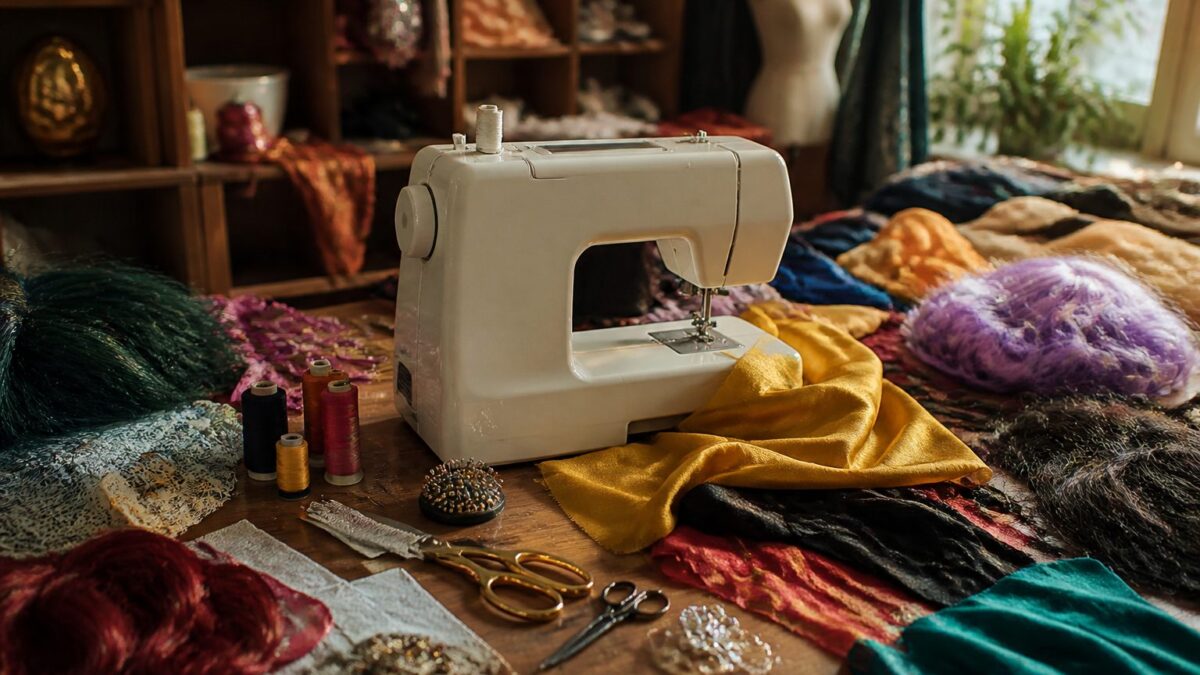
Cosplayers might spend months designing, sewing, and assembling their costumes, or they may modify existing pieces to match a character’s look. Many also learn makeup techniques, wig styling, and prop-making. Some cosplayers focus on visual resemblance, while others prioritize creative interpretation or humor (known as “closet cosplay” or “crossplay”).
Cosplay is most visible at conventions and fan gatherings, but it thrives online through photos, videos, and social media. It’s open to all ages and backgrounds, with participants ranging from children to professional artists. Most importantly, cosplay is a form of fan expression and celebration—open to anyone who loves a character enough to bring them to life.
Where did cosplay come from?
Cosplay’s roots stretch back to early science fiction conventions in the United States during the 1930s and 1940s, where fans would dress as characters from pulp magazines and movies. However, the modern idea of cosplay as we know it emerged in Japan in the 1980s, when the term “kosupure” (コスプレ) was coined by Japanese journalist Nobuyuki Takahashi after visiting a Los Angeles convention.
Japanese fans embraced the practice, especially as anime and manga fandoms grew. Cosplay spread rapidly through events like Comic Market (Comiket) in Tokyo and later through international conventions such as San Diego Comic-Con and Paris Manga. By the 2000s, cosplay had become a global subculture, with thriving communities in North America, Europe, Latin America, Southeast Asia, and beyond.
- Early sci-fi and fantasy conventions in the US inspired initial fan costuming.
- The anime boom of the 1990s brought cosplay to mainstream attention worldwide.
- Today, cosplay is a central feature of fan conventions, pop culture expos, and online fandoms across continents.
What makes cosplay different from regular costumes?
Cosplay is distinct from regular costumes or fancy dress in several ways. The main difference is the focus on recreating a specific character, often with meticulous attention to detail and accuracy. Cosplayers study reference images, source or make materials, and strive to match the character’s look as closely as possible.
- Performance: Many cosplayers act in character, mimicking mannerisms, poses, or famous quotes.
- Community: Cosplay is often collaborative, with fans sharing tips, tutorials, and resources.
- Craftsmanship: Skills like sewing, prop-making, and makeup are highly valued.
- Fandom expression: Cosplay is a way to show love for a franchise or character.
While Halloween costumes or party outfits are usually worn for fun or celebration, cosplay is driven by passion for the source material. Cosplayers often compete in contests, participate in themed photoshoots, or collaborate on group cosplays with friends. The end goal is not just to look good but to celebrate and bring a character to life, for oneself and for others.
How do people make or get cosplay costumes?
Cosplayers use a variety of methods to create their costumes, from sewing everything by hand to purchasing pre-made outfits. Here are the main approaches:
- Handmade: Many cosplayers sew their own costumes, build armor from foam or thermoplastics, and craft props using materials like wood, resin, or 3D printing. This approach allows for full customization and is highly respected in the community.
- Commissioned: Some fans hire skilled costume makers or prop artists to create custom pieces. This is common for complex or time-consuming outfits.
- Store-bought: Commercial cosplay costumes are widely available online, especially for popular characters. Cosplayers may modify these for better fit or accuracy.
- Closet cosplay: Creative use of everyday clothing to approximate a character’s look, often with clever accessories or makeup.
Wigs, colored contact lenses, and makeup are used to match a character’s appearance. Prop weapons, armor, and accessories are integral to many cosplays. The process can be as simple or elaborate as the cosplayer wants, with budgets ranging from a few dollars to hundreds or more. Sharing progress, tips, and tutorials is a big part of the cosplay community, fostering learning and support.
What happens at cosplay events and conventions?
Cosplay is a major attraction at fan conventions worldwide, from Comic-Con in San Diego to Anime Expo in Los Angeles, MCM Comic Con in London, and Comiket in Tokyo. These events offer cosplayers a space to showcase their work, meet other fans, and participate in a variety of activities:
- Masquerades and contests: Cosplayers compete on stage, judged on craftsmanship, accuracy, and performance.
- Photoshoots: Organized or spontaneous group photos, often by theme or franchise.
- Panels and workshops: Sessions on costume-making, wig styling, makeup, and more.
- Socializing and networking: Meeting fellow fans, creators, and industry guests.
Some conventions have strict rules about costume props and weapon replicas for safety. Many also provide changing rooms and repair stations. Outside conventions, cosplayers organize local meetups, photoshoots in parks or urban locations, and online events. Social media platforms like Instagram, TikTok, and Twitter have become essential for sharing cosplay photos, tutorials, and connecting with a global audience.
What are the unwritten rules and etiquette of cosplay?
Cosplay is rooted in mutual respect—both for source material and for other participants. Here are some of the key guidelines that help keep the community welcoming and safe:
- “Cosplay is not consent”: Always ask before taking photos or touching costumes. Respect personal boundaries.
- Credit creators: If you use someone’s tutorial, pattern, or commission work, acknowledge them.
- Respect diversity: Cosplay is for everyone, regardless of body type, age, gender, or race. Avoid gatekeeping or harassment.
- Follow event rules: Check policies on props, changing areas, and photography.
- Be supportive: Encourage fellow cosplayers, share knowledge, and celebrate creativity.
Community moderators and convention staff often remind attendees of these principles. Online, most cosplay groups have clear codes of conduct. The goal is a positive, inclusive environment where creativity and fandom thrive.
What are some famous examples and genres of cosplay?
Cosplay spans countless genres and fandoms, with some characters and styles especially popular worldwide. Here are a few iconic examples:
- Anime and manga: Characters from “Naruto,” “Attack on Titan,” “Sailor Moon,” and “My Hero Academia” are perennial favorites.
- Western comics and superheroes: Batman, Spider-Man, Wonder Woman, and Harley Quinn are staples at conventions from New York to Mumbai.
- Video games: Cosplayers bring to life heroes from “The Legend of Zelda,” “Final Fantasy,” “Overwatch,” and “League of Legends.”
- Movies and TV: Star Wars and Star Trek costumes have been popular for decades; Harry Potter and Marvel Cinematic Universe characters are now common sights.
- Original characters: Some cosplayers design their own interpretations or mashups, blending genres or adding cultural twists.
Cosplay also includes subgenres, such as historical, steampunk, mecha (robotic armor), and gijinka (anthropomorphized versions of non-human characters, like Pokémon or animals). Each genre has its own techniques and communities, but all share the core values of creativity, fandom, and fun.
How do people share and celebrate cosplay online?
Online platforms have become essential for cosplayers to share their work, learn new skills, and connect with a global audience. Popular sites include:
- Instagram and TikTok: For sharing photos, short videos, and behind-the-scenes content.
- Twitter: For updates, progress shots, and event announcements.
- Reddit and dedicated forums: For discussions, advice, and sharing resources.
- YouTube and Twitch: For tutorials, live streams, and vlogs.
Cosplayers often collaborate with photographers, videographers, and each other to create elaborate shoots or skits. Hashtags, challenges, and themed events (like “Cosplay April” or “Inktober” for artists) encourage participation and discovery. Online contests and charity streams are increasingly common. The internet has also helped diversify cosplay by making it accessible to fans who can’t attend major conventions in person.
| Cosplay Term | Definition | Example |
|---|---|---|
| Closet Cosplay | Using everyday clothing to recreate a character’s look. | Wearing a suit and tie to cosplay a detective anime character. |
| Crossplay | Dressing as a character of a different gender. | A woman cosplaying as Goku from Dragon Ball. |
| Masquerade | Stage competition where cosplayers perform and are judged. | Competing in a skit as a group of Avengers. |
| Gijinka | Humanized version of a non-human character. | Cosplaying Pikachu as a person with yellow clothes and ears. |
| Worbla | Thermoplastic material used for armor and props. | Crafting a breastplate for a fantasy warrior costume. |
Frequently asked questions
How much does it cost to start cosplaying?
Cosplay costs vary widely. A simple closet cosplay might require only items you already own, while elaborate handmade costumes can cost hundreds of dollars in materials. Many beginners start small and gradually invest more as their skills and interests grow. Budgeting and planning are key for affordable cosplay.
Is it okay to cosplay a character from a culture different than mine?
Cosplay is about appreciation and celebration. Most communities welcome fans cosplaying characters from any background, as long as it’s done respectfully. Avoid stereotypes or offensive caricatures. Focus on honoring the character’s personality and story rather than mimicking physical traits or cultural symbols inappropriately.
Do I have to make my own costume to be a “real” cosplayer?
No—cosplay welcomes all levels of involvement. Many cosplayers buy or commission costumes, especially when starting out. Crafting is valued, but passion for the character matters most. The community encourages learning new skills, but there’s no single “right” way to participate.
What are some common mistakes beginners make in cosplay?
Beginners often underestimate the time and effort required for costume-making or overcommit to complex projects. It’s common to overlook comfort, mobility, or event safety rules. Start with manageable projects, seek advice, and don’t be afraid to ask for help or modify plans as you learn.
Where can I find patterns or tutorials for cosplay?
Many websites, YouTube channels, and online communities offer free or paid patterns, video tutorials, and step-by-step guides. Social media hashtags like #cosplaytutorial or dedicated forums are excellent resources. Local fabric stores or maker spaces may also host workshops or classes.
Can I cosplay at home or online if I can’t attend conventions?
Absolutely. Many cosplayers participate online through photos, videos, and virtual events. Social media and streaming platforms have made it easy to share cosplay with a global audience, regardless of location. Online challenges, themed photoshoots, and digital meetups are all popular ways to celebrate cosplay at home.
The bottom line
Cosplay is a creative, inclusive way for fans to celebrate their favorite characters and stories, blending costume-making, performance, and community. Anyone can join in—at conventions or online—with as much or as little craft as they choose. At its heart, cosplay is about passion, expression, and fun.