What Is Fandom Culture?
Fandom culture is the shared community, traditions, and creative activities that form around a favorite story, celebrity, or franchise, uniting fans worldwide.
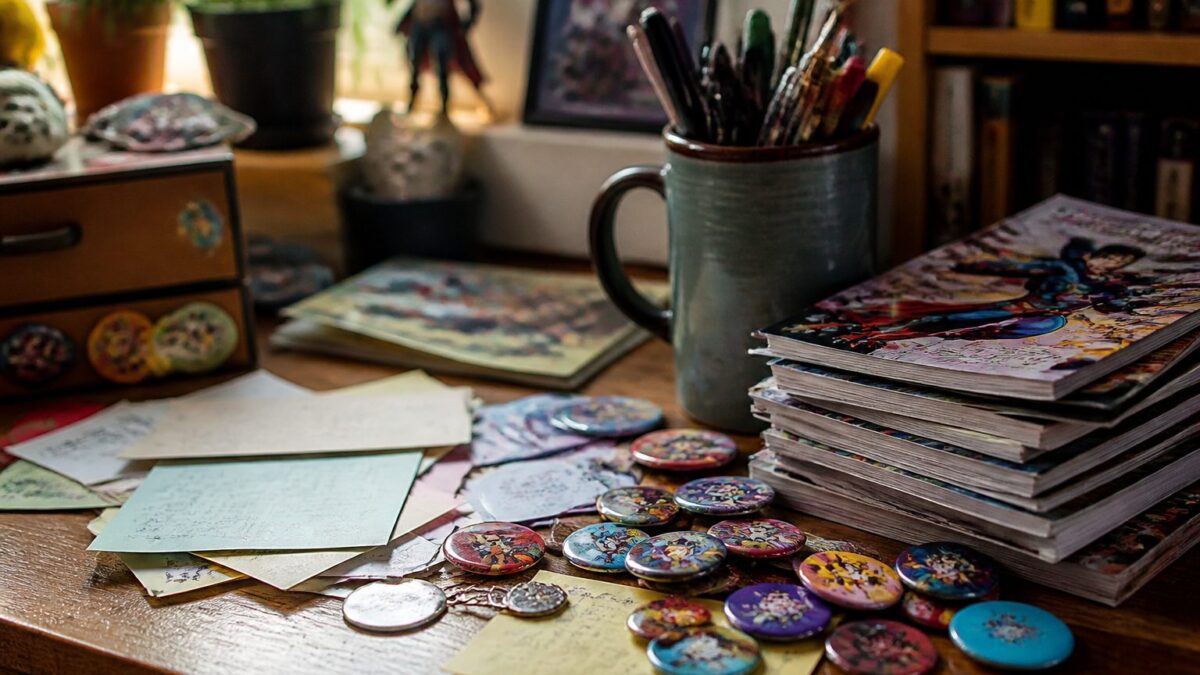
Quick answer: Fandom culture is the collective community, traditions, and creative output that develop among fans of a particular story, celebrity, or franchise. It includes shared rituals, fan art, inside jokes, and a sense of belonging that brings people together across the world, both online and offline.
From Harry Potter to K-pop, Star Wars to anime, fandoms have become a central part of modern pop culture. Fandom culture goes far beyond simply enjoying a movie, book, or star—it’s about finding a community, expressing creativity, and sometimes even shaping the direction of the media itself.
Fandoms are everywhere: they thrive on social media, at conventions, in fan clubs, and through countless creative works. Understanding fandom culture means exploring how fans connect, why certain works inspire intense devotion, and how these communities influence entertainment worldwide.
Key takeaways
- Fandom culture is a global phenomenon that unites fans around shared interests in media, celebrities, or franchises.
- It involves unique traditions, creative works, and strong community bonds both online and offline.
- Fandoms can impact the entertainment industry and even influence mainstream culture.
- Participation ranges from casual discussion to deep creative engagement like fan fiction or fan art.
- Fandom culture has roots going back over a century but has exploded with the rise of the internet.
What does ‘fandom culture’ mean?
‘Fandom culture’ refers to the collective behaviors, customs, and creative practices that arise among groups of fans united by a shared passion. This culture includes everything from fan art and fan fiction to community events, inside jokes, and unique vocabulary.
Fandoms can form around almost anything: movies, TV shows, musicians, sports teams, books, video games, and even specific celebrities. What sets fandom culture apart is the active participation of fans. Instead of passively consuming media, fans engage with it, reinterpret it, and build friendships with others who share their enthusiasm.
Fandom culture can be expressed in many ways:
- Online forums and social media groups
- Fan conventions and meetups
- Cosplay (dressing as characters)
- Fan fiction, fan art, and fan-made videos
- Collecting memorabilia and merchandise
Ultimately, fandom culture is about connection and creativity—turning solitary enjoyment into a shared, often lifelong, experience.
Where did fandom culture come from?
Fandom culture first emerged in the late 19th and early 20th centuries, but its roots stretch back even further. Early science fiction and sports fans were among the first to organize into recognizable fandoms, creating newsletters, clubs, and conventions.
For example, Sherlock Holmes fans in the 1890s wrote letters to magazines, formed societies, and even mourned the fictional detective’s (temporary) death. Science fiction fans in the 1930s started the first fan conventions and “fanzines,” which were homemade magazines shared among enthusiasts.
The rise of mass media in the 20th century—radio, movies, comics—expanded the possibilities for fandoms. By the 1970s and 1980s, Star Trek fans were organizing conventions, dressing as characters, and writing fan fiction. The internet revolution in the 1990s and 2000s supercharged fandom culture, allowing global communities to form instantly and share creative works on a massive scale.
Today, fandoms exist for everything from Bollywood films to K-dramas, anime to sports, reflecting the worldwide reach and diversity of fan communities.
How is fandom culture different from just being a fan?
Fandom culture is distinguished from casual fandom by its emphasis on active participation, communal rituals, and creative expression, turning passive enjoyment into a shared, often immersive experience. While anyone can be a fan by simply enjoying a piece of media or supporting an artist, those who engage in fandom culture take their involvement much further, contributing to and shaping the community around their shared interest.
- Casual fans may watch every episode of a TV show, buy merchandise, or follow an artist’s work, but their engagement typically remains personal and private.
- Fandom participants go beyond consumption by creating fan fiction or fan art, joining online discussions, attending conventions, or participating in group projects. For example, a Marvel fan might create elaborate cosplay or organize a local viewing party for a film premiere.
Fandom culture often develops its own traditions, language, and social norms. Terms like “shipping” (supporting a romantic pairing of characters), “headcanon” (personal interpretations of story elements), or “AU” (alternate universe) are widely understood within many fandoms. These shared practices foster a sense of belonging and collective identity, making the fandom feel like a unique subculture.
Another hallmark of fandom culture is its collaborative and sometimes competitive nature. Communities may develop hierarchies, inside jokes, or even experience disagreements and “fan drama.” Yet, these dynamics are part of what makes fandoms vibrant and engaging. Participation in fandom culture is as much about connecting with other fans and expressing oneself creatively as it is about the original work. The key difference lies in the shift from solitary appreciation to active, communal engagement, where fans help shape the ongoing legacy and interpretation of the media they love.
What are some famous examples of fandom culture?
Several fandoms have become iconic, not only for their devotion to a particular work or artist but also for the ways they’ve influenced wider pop culture, inspired creative output, and built lasting communities. These examples illustrate how fandom culture can transcend borders and even impact the original creators and industries themselves.
- Star Wars: The Star Wars fandom is one of the most influential in history, credited with popularizing fan fiction, fan films, and large-scale conventions. Fans have built detailed costumes, organized massive gatherings like Star Wars Celebration, and even contributed to the expanded universe through creative works and fan theories.
- Harry Potter: The “Potterhead” community has established a rich ecosystem of fan sites (like MuggleNet), podcasts, and fan fiction archives. Unofficial fan festivals, such as LeakyCon, draw thousands of attendees, and fan-created works have kept the wizarding world vibrant long after the original books and movies concluded.
- K-pop: Fandoms for groups like BTS (the ARMY) and BLACKPINK (BLINKs) are known for their organizational power, from coordinating global streaming campaigns to launching charity projects in their idols’ names. K-pop fans use social media to trend hashtags and connect internationally, demonstrating how digital platforms amplify fandom culture.
- Anime and manga: Anime fandoms have a long tradition of supporting conventions, cosplay, and fan translations (fansubs). Series like Naruto, Sailor Moon, and Attack on Titan have inspired global communities, with fans sharing art, analysis, and collaborative projects across languages and continents.
- Bollywood and K-drama: Fans of Indian and Korean entertainment share memes, create subtitled content, and engage in passionate online discussions. These fandoms extend far beyond their countries of origin, connecting people through shared appreciation for music, dance, and storytelling.
Each of these fandoms has developed its own unique traditions, vocabulary, and creative outputs, often shaping the way the original works are perceived and even influencing future content. Their impact can be seen in the growth of conventions, the success of fan-driven campaigns, and the increasing recognition of fan contributions by creators and the media industry at large.
How does fandom culture influence the entertainment industry?
Fandom culture exerts a powerful influence on the entertainment industry, shaping trends, marketing, and even creative decisions. Studios and artists pay close attention to fan communities, recognizing their ability to drive hype and sustain long-term interest.
- Social media campaigns and trending hashtags can boost shows or movies.
- Fan theories and feedback sometimes influence storylines or character development.
- Studios host fan events, release exclusive merchandise, and collaborate with fan artists.
- International fandoms help content cross borders, as seen with anime or K-pop’s global rise.
Some creators have acknowledged or even incorporated fan ideas, while others tap into fan enthusiasm to build anticipation (for example, through teasers, Q&As, or fan contests). Fandoms can also hold creators accountable, voicing concerns about representation or plot choices.
In short, fandom culture is now a two-way relationship: fans support the industry, and the industry increasingly engages with fans.
Why do people join fandoms?
People are drawn to fandoms because they offer more than just an appreciation for a particular work or celebrity—they provide a vibrant, interactive community where shared enthusiasm becomes a foundation for friendships, creative output, and even personal growth. Fandoms create a welcoming space for individuals to connect with others who share their interests, whether it’s a beloved TV series, a book franchise, a music group, or a video game.
- Connection: Fandoms serve as a social bridge, helping fans find others who understand their passion. Many people form deep, lasting friendships through these communities, and some even meet romantic partners who share their interests. Conventions, online forums, and social media groups make these connections possible regardless of geographic location.
- Expression: Fandoms encourage members to channel their enthusiasm into creativity. Fans write stories (fan fiction), produce art, compose music, or engage in thoughtful discussions and analyses. For example, the Harry Potter fandom is renowned for its vast universe of fan fiction, while the anime community is known for its vibrant fan art culture.
- Escape: Engaging deeply with a fictional universe or following a favorite artist can provide a mental break from everyday life. Immersing oneself in the world of Marvel superheroes or the music of a K-pop group offers a form of escapism, allowing fans to temporarily set aside real-world stresses.
- Identity: For many, being part of a fandom is more than a hobby—it becomes a significant aspect of their identity. Identifying as a “Trekkie” (Star Trek fan) or a “Swiftie” (Taylor Swift fan) can offer a sense of purpose and belonging, especially for those who may feel isolated in their offline lives.
Fandoms also provide a platform for exploring broader issues, such as representation, diversity, or social justice, using pop culture as a lens. Some fans find empowerment in advocating for better representation within their favorite media. For others, the attraction lies in the simple joy of sharing excitement and finding others who understand their passion. Ultimately, the sense of community, shared creativity, and belonging are what make fandoms so appealing to people around the world.
What are common activities in fandom culture?
Fandom culture is defined by a wide range of participatory activities that go far beyond simply enjoying a piece of media; fans actively create, share, and celebrate their favorite works in ways that foster both personal expression and community engagement. These activities are key to the vibrancy and longevity of fandoms, and they vary from creative endeavors to social gatherings and collective projects.
- Fan fiction: One of the most popular forms of fan activity, fan fiction involves writing new stories set in the universe of a favorite book, movie, show, or game. These stories may explore alternative endings, delve into side characters, or imagine crossovers between different worlds. For example, the Star Trek fandom helped pioneer fan fiction in the 1970s, and today sites like Archive of Our Own host millions of works across countless fandoms.
- Fan art: Fans create visual works inspired by their favorite characters, scenes, or concepts. This includes traditional drawings, digital paintings, and even sculptures. Iconic franchises like Pokémon and Marvel have inspired vast communities of fan artists who share their creations on platforms like DeviantArt and Instagram.
- Cosplay: Short for “costume play,” cosplay involves making and wearing costumes to portray specific characters. Fans often showcase their work at conventions such as Comic-Con or Anime Expo, and online through photo shoots and social media. Cosplay can be both a creative challenge and a social experience, with fans exchanging tips and collaborating on group costumes.
- Fan videos: Fans edit together clips from shows, movies, or games to create music videos (such as anime music videos, or AMVs), parodies, or tributes. These videos are widely shared on YouTube and other platforms, and often become viral sensations within fandom circles.
- Podcasts and analysis: Many fans produce podcasts or write essays that delve into storylines, character motivations, or broader themes. For instance, the Game of Thrones fandom became known for its detailed episode breakdowns and theory discussions, which often influenced the broader conversation around the show.
- Collecting: Fans collect memorabilia, such as action figures, posters, limited-edition releases, or fan-made merchandise. Some fandoms, like Star Wars or K-pop, have thriving markets for rare and exclusive items, and collecting becomes a way to display devotion and connect with others.
- Organizing events: Fandoms frequently organize meetups, viewing parties, charity fundraisers, and conventions. These events, whether local or international, allow fans to celebrate together, share their creations, and sometimes even interact with creators or performers.
These activities are more than just pastimes—they actively shape the culture and visibility of the fandom. Through creative output, social engagement, and collective action, fans not only deepen their own enjoyment but also contribute to the ongoing legacy and popularity of the original work.
How do online spaces shape fandom culture?
Online spaces have fundamentally reshaped fandom culture by making it possible for fans to connect, collaborate, and create on a global scale, transforming isolated pockets of enthusiasm into dynamic, interconnected communities. The rise of the internet and social media has enabled fans to find each other instantly, share their creative works, and participate in real-time discussions, regardless of their physical location.
- Instant communication: Platforms like Twitter (now X), Reddit, Discord, and Tumblr allow fans to react to new releases, announcements, or plot twists as they happen. For example, live-tweeting during TV show premieres or participating in trending hashtags has become a common way for fans to interact in real time.
- Creative sharing: The internet enables fans to distribute their art, writing, and videos to a vast audience. Viral fan art or fan fiction can reach thousands or even millions, sometimes catching the attention of creators themselves. Sites like DeviantArt, Archive of Our Own, and YouTube have become central hubs for fan creativity.
- Community building: Online forums, group chats, and dedicated fan sites foster a sense of belonging and make collaboration easy. Fans can organize group projects, such as collaborative fan comics or charity drives, and support each other through shared interests. Discord servers, for example, often host themed events, watch parties, and creative challenges.
- Global reach: Online spaces break down language and geographic barriers, allowing fans from different countries to connect. Fan translations, subtitled content, and international fan projects help bridge gaps between cultures, as seen in the worldwide spread of anime or K-pop fandoms.
One significant impact of online fandom is the ability for niche interests to flourish. Even works with small followings can find dedicated communities online, where fans exchange theories, organize events, and create content. However, the rapid pace and visibility of online interactions can also lead to challenges, such as heated debates, “fan wars,” or intense scrutiny of creators and celebrities. Nonetheless, the internet has made fandom culture more accessible, diverse, and influential than ever, shaping how fans experience and contribute to the media they love.
Glossary: Essential fandom culture terms
| Term | Meaning | Example |
|---|---|---|
| Canon | Official events or facts in a story or franchise | The Harry Potter books are canon; fan fiction is not |
| Shipping | Supporting a romantic pairing (real or imagined) | “I ship Ron and Hermione” |
| Fan fiction (fanfic) | Stories written by fans using existing characters or worlds | A Star Wars fanfic imagining an alternate ending |
| Cosplay | Dressing as a character from a work | Wearing a Sailor Moon costume to an anime convention |
| Headcanon | A fan’s personal theory or belief about a story | “My headcanon is that this character is left-handed” |
| Stan | To be an enthusiastic, dedicated fan | “I stan this band” |
| OTP | One True Pairing; a fan’s favorite couple | “Mulder and Scully are my OTP” |
Frequently asked questions
What is the difference between a fandom and a fan club?
A fan club is a formal or organized group supporting a celebrity or work, often with membership and events. A fandom is broader, encompassing all fans and their shared culture, creativity, and community—whether formal or informal.
Can anyone join a fandom?
Yes, anyone who enjoys a work or celebrity can participate in a fandom. There are no official requirements, and many fandoms welcome newcomers, regardless of age, background, or location.
Are there negative sides to fandom culture?
While most fandom experiences are positive, some communities can experience conflicts, “fan wars,” or gatekeeping. Intense devotion can sometimes lead to online harassment or unhealthy behavior, but most fans strive to maintain a welcoming environment.
How do creators interact with fandoms?
Many creators engage with fandoms through social media, Q&As, or conventions. Some acknowledge fan theories or art, while others collaborate with fans or take feedback into account. The level of interaction varies widely by creator and industry.
What is “shipping” in fandom culture?
“Shipping” means supporting or imagining a romantic relationship between characters (or occasionally real people). Fans discuss, create art, and write stories about their favorite “ships,” which can be canon or entirely fan-created.
How has fandom culture changed over time?
Fandom culture has grown from small, local clubs and fanzines to massive, global communities thanks to the internet. Online platforms, conventions, and new forms of creative expression have made fandom more accessible and influential than ever.
The bottom line
Fandom culture is a dynamic, creative force that brings people together around shared passions. It shapes pop culture, fosters community, and offers fans worldwide a place to belong and express themselves.